How to read mining exploration results
Mining exploration results can look impressive. Learn how grade, width, resource class and feasibility work before trusting the headline.
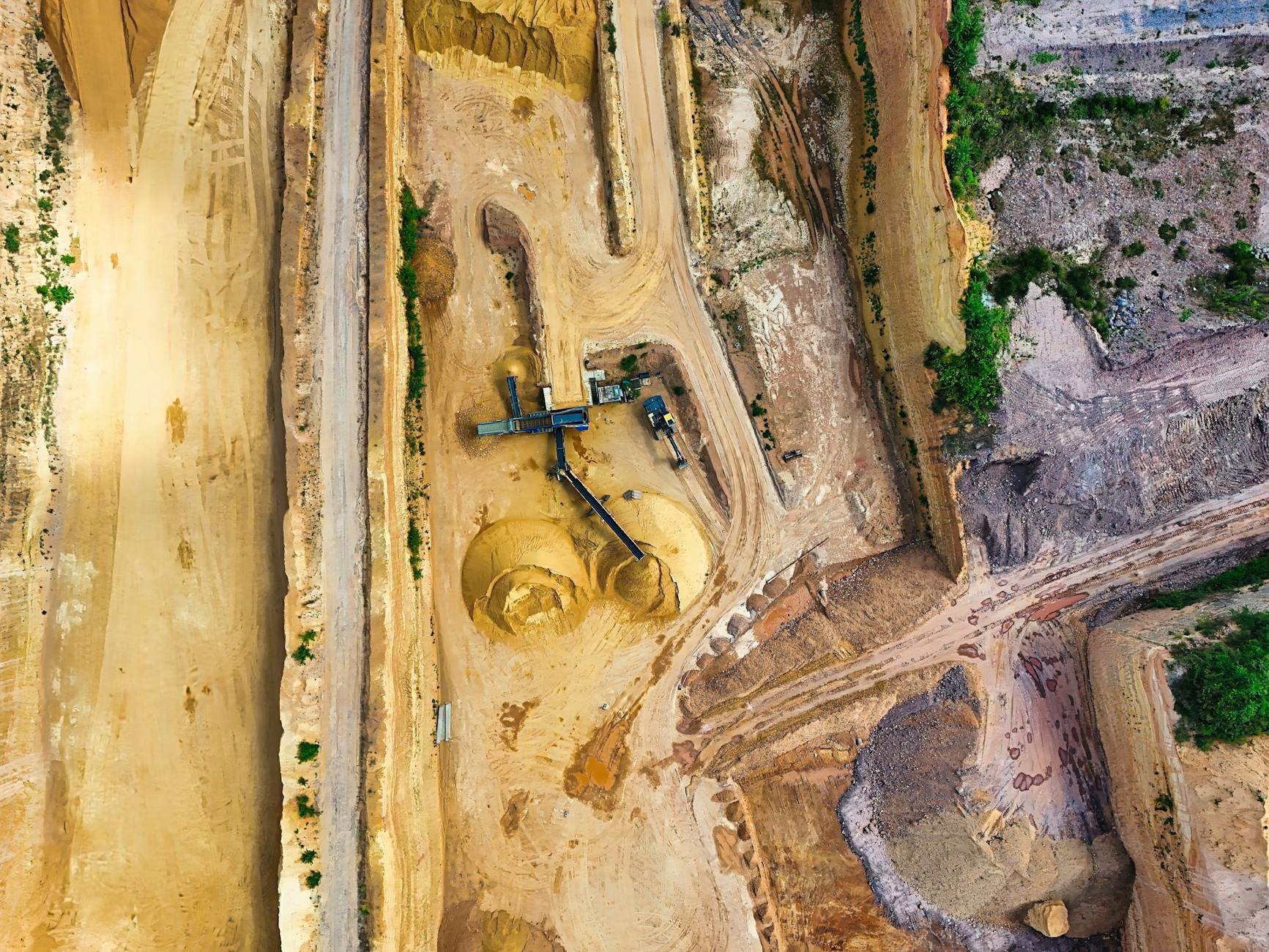
Mining exploration results can look exciting before they are useful. The skill is knowing which numbers describe a real deposit, and which ones only make a headline sound good.
The Short Version
- Mining exploration results are early evidence, not proof that a mine will be built.
- Grade tells you concentration. Width tells you how much mineralised rock the drill crossed.
- True width matters because a long drill intercept can overstate the real size of a zone.
- Resource classes show confidence. Inferred is early, indicated is stronger, and measured is the highest confidence level.
- A deposit still needs economics, permits, funding and commodity prices that make sense.
What mining exploration results actually show
Mining exploration results show what a company found when it drilled, sampled or tested a project. They do not prove that the project can become a profitable mine.
The first useful question is simple. Did the company find enough mineralised rock, at a good enough grade, in a place that could one day be mined?
The JORC Code is one reporting framework that tries to keep these claims disciplined. Canada uses National Instrument 43-101, explained by the Canadian Securities Administrators mining guidance.
Those standards do not make every project good. They make the company state what it knows, what it assumes, and how confident it is.
Grade tells you concentration
Grade is the concentration of the target mineral in the rock. Gold is often shown as grams per tonne. Copper is often shown as a percentage.
Mining exploration results with a high grade can be useful because each tonne of rock may contain more metal. But grade alone can mislead.
A narrow, high-grade vein may be hard and costly to mine. A lower-grade deposit may work better if it is wide, shallow and simple to process.
That is why grade has to be read beside width, depth, geology, processing risk and location. One strong number cannot carry the whole story.
Width tells you scale
Width is the distance across the mineralised zone that the drill intersected. It is one of the most important figures in mining exploration results.
Companies usually report intercept width. That is the distance the drill travelled through mineralised rock. It may not be the real thickness of the deposit.
True width tries to adjust for the angle between the drill hole and the mineralised body. It is often shorter than the headline intercept.
A 50 metre intercept can sound powerful. If the true width is 15 metres, the result is still useful, but the scale is different.
Resource classes show confidence
After enough drilling, the company may publish a mineral resource estimate. This is where mining exploration results become easier to compare.
The main classes are inferred, indicated and measured. Inferred means the company has early evidence, but confidence is still low.
Indicated means more drilling supports the shape and grade. Measured means the data is dense enough for a high-confidence estimate.
A large inferred resource can move a share price, but it can shrink when more drilling arrives. A smaller measured resource may be more useful to serious funders.
Economics decide whether the deposit matters
Mining exploration results are only the start of the business case. A deposit also needs capital, power, water, roads, permits and a workable processing route.
Feasibility studies test those questions. They estimate upfront cost, operating cost, mine life and project value at assumed commodity prices.
This is where many promising stories become less attractive. The rock may contain metal, but the project may still be too deep, remote or expensive.
Processing matters too. Some deposits need simple crushing and recovery. Others need complex treatment that raises cost and technical risk.
A useful update should explain the next step. More drilling, metallurgy, a scoping study or a permit milestone each tells you where the project really sits.
Our guide to how junior miners turn geology into a resource estimate explains that path in more detail.
The warning signs to look for
Be careful when mining exploration results focus only on the best drill hole. A single standout result can hide a weak wider pattern.
Also watch for missing true width, unclear cut-off grades, old commodity price assumptions, or heavy use of promotional language around early data.
Another warning sign is constant fundraising without clear technical progress. Exploration takes money, but the money should buy better knowledge.
Maps and cross-sections can help. They show whether the company is joining a real zone together or just pointing at isolated results.
Silence can also tell you something. If a company avoids plain explanations after a weak hole, treat that as part of the evidence.
The post on small-cap red flags explains why funding pressure and loose language often travel together.
A Worked Example
Imagine a junior gold company reports 30 metres at 2 grams per tonne from a new drill hole. On the surface, that sounds encouraging.
Now ask the next questions. Is 30 metres the intercept or the true width? How deep is the hole? Is the result near older holes?
If the true width is 22 metres and nearby holes show similar grades, the result starts to look more credible. The pattern matters.
If the true width is unknown and nearby holes are weak, the announcement may be more about excitement than evidence.
The same logic applies to contained metal. Two million ounces can sound large, but it means little without grade, depth, recovery and cost.
What This Means For You
Mining exploration results should slow you down, not rush you. A good announcement gives you questions to check before you trust the market reaction.
Start with grade and width. Then check resource class, depth, location and whether the company explains true width clearly.
Next, connect the geology to money. A deposit has to be mineable, financeable and permitted before it becomes a business.
Our guide to placings in small caps is useful here because junior miners often return to the market for cash.
The point is not to become a geologist. The point is to avoid paying for a story before the evidence deserves that price.
In Plain English
Mining exploration results tell you what the drill found. They do not tell you that a company has found a mine.
Grade tells you how rich the rock is. Width tells you how much mineralised rock the drill crossed. True width is often the number that matters.
Resource classes tell you how confident the company can be. Inferred is early. Indicated is better. Measured is stronger.
The final test is economics. If the project cannot be mined at a sensible cost, impressive geology will not save the investment case.
This article is for general financial education only. It is not financial advice or personal investment advice. Investments can fall as well as rise, and you may get back less than you invest.
This post is adapted from The Little Book of Small-Caps. Used with permission.