What Is Bitcoin? The Problem It Was Built to Solve
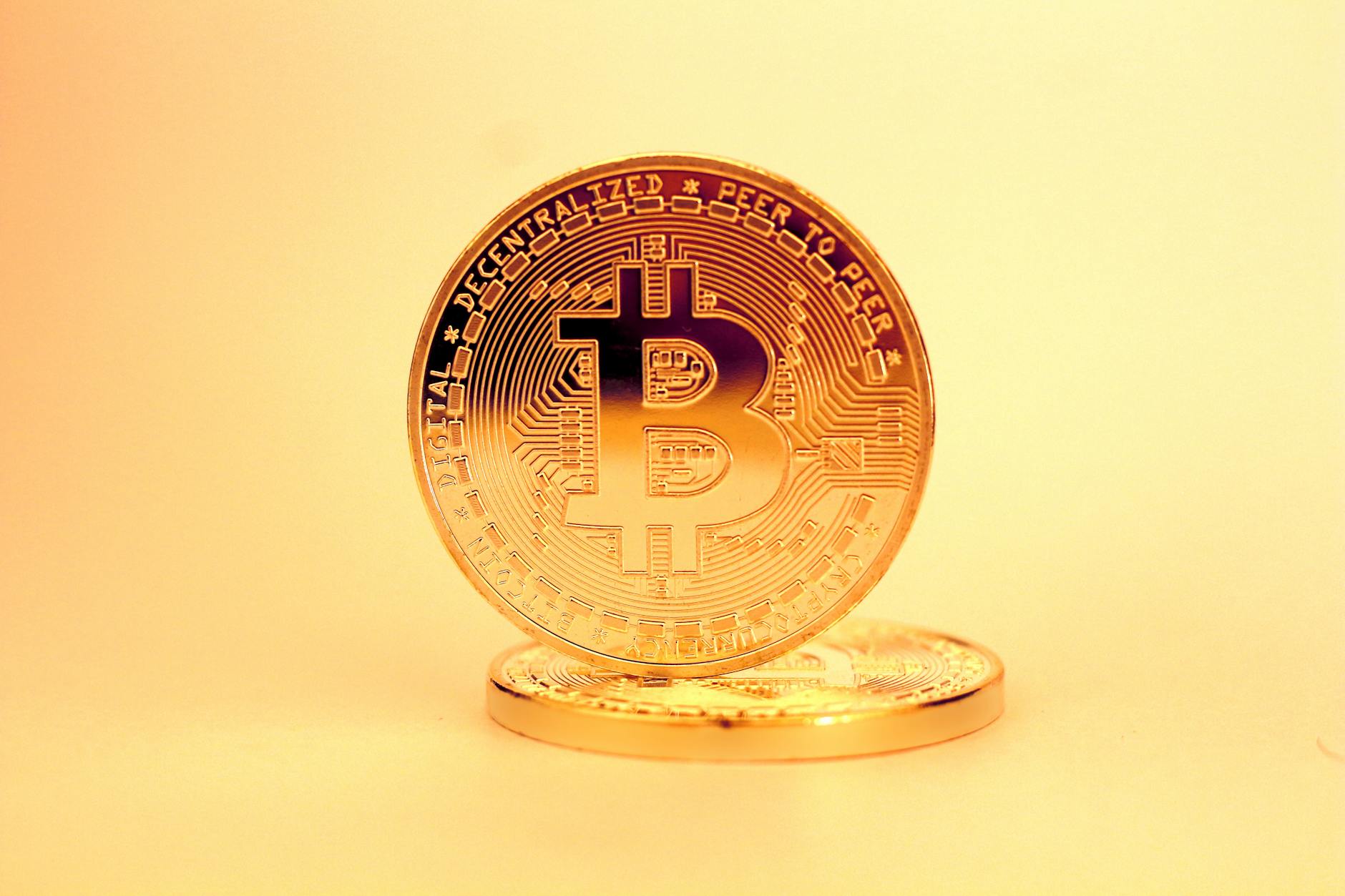
Bitcoin is the original cryptocurrency and still the biggest. Every other coin, every blockchain, every DeFi protocol exists in its shadow. Understanding Bitcoin properly means understanding both what it is and why it was built, and the why matters far more than most people realise. Skip the origin story and you end up with a misleading picture of what Bitcoin is for and why anyone bothers with it at all.
The story begins in October 2008, at the height of the global financial crisis. A person or group using the pseudonym Satoshi Nakamoto published a nine page document titled Bitcoin: A Peer to Peer Electronic Cash System. The timing was pointed. Banks had just been bailed out by governments with taxpayer money. Institutions that had taken reckless risks were rescued. Ordinary people lost jobs, homes and savings. In the UK, the government nationalised Northern Rock and took large stakes in Royal Bank of Scotland and Lloyds. Around the world, the financial system was kept upright by emergency loans and money creation on a scale most voters had never seen.
The paper proposed a system for transferring value electronically between two parties without any trusted third party, meaning no bank, no payment processor, no government. It was designed to make financial censorship impossible and financial bail outs unnecessary, by removing the central authorities that make both things possible in the first place. Whether you agree with that goal or not, it is important to understand that Bitcoin was born as a political project as much as a technical one. The code is the policy.
Mechanically, Bitcoin runs on a blockchain, a public ledger maintained by thousands of computers worldwide. Every transaction ever made is recorded on this ledger. It is visible to anyone, controlled by no one. New Bitcoin is created through a process called mining, where computers compete to solve complex mathematical puzzles. The winner adds a new block of transactions to the chain and receives a Bitcoin reward for doing so. The process is deliberately energy intensive, because that expense is what makes the network prohibitively expensive to attack.
The supply is fixed at twenty one million coins. That limit is written into the code and enforced by the network, not by a promise from anyone in charge. Approximately nineteen and a half million coins have already been mined. The last one will not enter circulation until around the year 2140. This scarcity is deliberate and central to Bitcoin’s value proposition, because it is the feature that most obviously contrasts with fiat currencies, whose supply can be expanded by central banks whenever circumstances seem to require it.
Originally envisioned as electronic cash, Bitcoin has in practice evolved into something closer to digital gold. Most serious holders are not buying coffee with it. They are holding it as a hedge against inflation, currency debasement or political instability, or simply as a speculative asset they believe will appreciate over time. In the UK, you can now buy Bitcoin through regulated exchanges, hold it in self custody wallets or, if you want exposure without touching the technology yourself, through funds and products that have become more widely available since the approval of spot Bitcoin ETFs in the United States.
Institutional adoption has grown significantly. Publicly listed companies now hold Bitcoin on their balance sheets. Pension funds, insurance companies and asset managers have started to allocate small percentages to it. It has gone from a fringe experiment to an asset class taken seriously by mainstream finance, while remaining deeply controversial. Critics in the UK financial establishment, including senior voices at the Bank of England, have at various points called it everything from a bubble to an environmental disaster to a tool for criminals. Supporters call it the most important monetary innovation in centuries. The honest answer is that it is too early to be certain which side of that argument will look right in twenty years.
One common misconception is that Bitcoin is anonymous. It is not. Every transaction is visible on the blockchain forever. Addresses are not automatically linked to real identities, but with enough data from exchanges and enough patience, law enforcement agencies have repeatedly traced Bitcoin payments in criminal investigations. The idea that crypto is an untraceable haven for wrongdoing is decades out of date, and in many ways Bitcoin leaves a more permanent trail than cash ever did.
Another common misconception is that someone, somewhere, is in charge of Bitcoin. Nobody is. Changes to the network happen through rough consensus among developers, miners and users, and they happen slowly and cautiously. Bitcoin is deeply conservative by the standards of the crypto world, because any change that splits the community risks fracturing the network itself. This is also why Satoshi Nakamoto’s identity has never been established. Satoshi was active on forums and over email until 2010, then disappeared. Various people have claimed to be Satoshi over the years, and none has proved it convincingly. The Bitcoin Satoshi mined in the early days, worth billions at today’s prices, has never been moved. Whoever that person was, they built something and then walked away from it, which is almost unique in modern technology.
The practical takeaway for a UK reader is that Bitcoin is now fifteen years old, has crashed more than eighty percent on multiple occasions, and has each time recovered to new highs. Past performance is not a guarantee of anything, and the honest answer is that nobody knows whether that pattern will continue. It is volatile. It is speculative. It is technically complex to hold securely, especially if you want to take full advantage of the self custody model. It is also the most battle tested form of digital money that exists, and its underlying design has proved remarkably resilient to a long list of people predicting its demise.
Whatever you ultimately decide to do about it, understanding Bitcoin is the entry point to understanding everything else in the crypto world. If you get this one article right, the rest of the space starts to make a lot more sense, because almost everything that came after is a reaction to what Bitcoin did or did not do first.
This article is for informational purposes only and does not constitute financial advice. Cryptocurrency investments carry significant risk. Always do your own research before making any financial decisions.