Crypto Daily 14 Apr: Ethereum Up 8% on SEC DeFi Ruling
Ethereum leads a broad crypto rally with an 8% gain as the SEC exempts DeFi interfaces from broker-dealer rules and Bitcoin breaks $74,000.
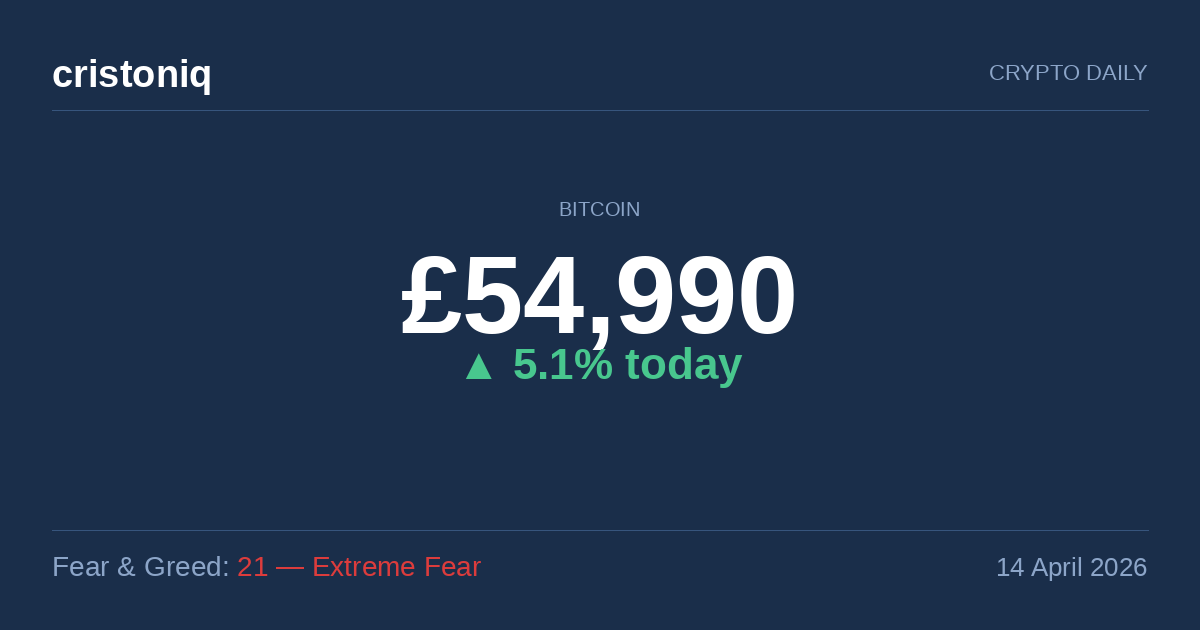
Ethereum stole the show on Monday, surging 8% to lead a broad-based crypto rally that lifted Bitcoin back above $74,000 and pushed the total market capitalisation up by more than $100 billion in a single session. The catalyst: a rare combination of regulatory tailwinds, strong ETF inflows, and a derivatives market where leveraged shorts are getting squeezed.
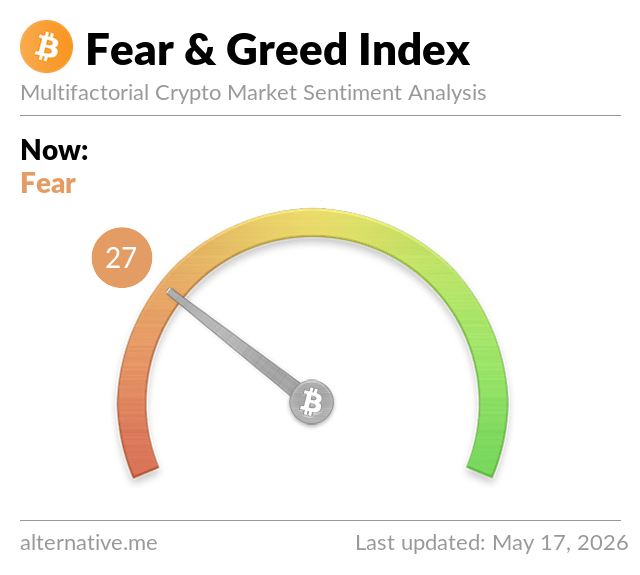
The total crypto market cap climbed 4.5% to $2.52 trillion on sharply higher volume of $120 billion, up 71% from the day before. Bitcoin dominance held at 59.1%, ticking up slightly as the largest asset attracted the lion’s share of absolute inflows. The Fear and Greed Index, a composite measure of market sentiment that blends volatility, volume, social media activity and surveys on a scale of 0 to 100, sits at 21, deep in Extreme Fear territory. That reading reflects the accumulated caution of the past several weeks rather than today’s price action. When the index says fear and the tape says rally, it often means the crowd has not yet caught up with the move.
Bitcoin traded at $74,383, up 5.1% on the day and 8.3% on the week. The rally carried it cleanly through the $73,600 resistance level that had capped price action since late March, and it held above $74,000 into the London session. The institutional backdrop is getting harder to ignore. Last week saw $816 million flow into US spot Bitcoin ETFs, the strongest weekly intake since January. Morgan Stanley’s MSBT fund, which launched on 8 April as the first spot Bitcoin ETF from a major US bank, has added a new dimension to the competition. At a fee of 0.14%, it undercuts BlackRock’s dominant IBIT fund, and with 16,000 financial advisors managing $6.2 trillion in client assets, its distribution advantage is unlike anything any other ETF issuer can offer.
On the derivatives side, open interest has recovered to $24.2 billion, the highest level since early March, while funding rates across major exchanges remain at their most negative since February. That combination points to a crowded short position being unwound. Liquidations over the past 24 hours stayed under $100 million, which means the squeeze has room to run if buyers maintain pressure. The weekly close matters here. A finish above $74,300 would mark the highest weekly close in six weeks and could attract momentum-driven buying toward the $76,000 level that has acted as the ceiling of the broader consolidation range since February.
Ethereum was the day’s clear outperformer at $2,364, up 8.1% in 24 hours and 12.3% on the week. On-chain activity jumped 41% week-on-week, suggesting the rally has genuine usage behind it rather than pure futures-driven speculation. ETH ETFs posted $187 million in weekly inflows, reversing three consecutive weeks of outflows totalling roughly $308 million. The turnaround coincided with the SEC’s landmark no-action statement on DeFi interfaces, which directly benefits Ethereum’s ecosystem since it hosts the vast majority of decentralised finance protocols. For UK investors, ETH at roughly £1,750 is still well below its 2024 highs, but the momentum shift is notable. The question now is whether the ETH/BTC ratio can sustain this move or whether it was a one-session rotation.
Hyperliquid’s HYPE token continued its remarkable run, gaining 9.2% on the day to $44.93 and 24% on the week. The perpetual futures platform has quietly become one of the most active trading venues in crypto, clocking $205 billion in monthly volume and serving 100,000 weekly users. Three ETF filings, from Bitwise, Grayscale, and 21Shares, have given the token institutional visibility it did not have a month ago. The platform’s real-world asset perpetual contracts on gold, silver, and oil have attracted genuine interest from traditional finance participants, particularly on weekends when conventional markets are closed. Total protocol revenue has crossed $993 million. BitMEX co-founder Arthur Hayes has set a $150 price target for August. Whether that proves right or not, Hyperliquid has crossed the threshold from niche DeFi project to something the broader market is paying attention to.
Solana rose 4.9% to $85.75, slightly trailing BTC but comfortably outperforming most large-cap alternatives. Volume relative to market cap remains notably high, reflecting Solana’s role as the primary venue for memecoin trading and increasingly for DeFi activity outside Ethereum. The daily chart shows recovery from oversold conditions with higher lows since 10 April.
XRP traded at $1.36, up a more measured 3% on the day. Seven spot XRP ETFs have now reached combined assets under management approaching $1 billion, and investment products saw $119.6 million in net inflows last week. Japan’s cabinet approval on 10 April to reclassify crypto as financial instruments under its securities law is a medium-term positive for XRP given Ripple’s strong presence in Asian payment corridors. The proposed Japanese framework would also cut the crypto tax rate from a progressive scale topping 55% to a flat 20% capital gains rate, potentially unlocking significant domestic retail demand.
The story worth watching beyond the price action is the SEC’s decision to exempt qualifying DeFi user interfaces from broker-dealer registration. Issued on 13 April and valid for five years, the no-action statement sets out 12 specific conditions covering fee disclosure, execution routing, cybersecurity policies, and conflicts of interest. To qualify, an interface must not hold user funds, arrange financing, or pressure users toward any specific transaction. It is not a blanket green light for DeFi. It is a carefully drawn line that says: if you are genuinely a front-end and not a broker in disguise, you can operate without registration. This matters because it gives legitimate DeFi projects a regulatory path that did not exist a week ago. Combined with the CLARITY Act moving toward Senate Banking Committee debate this week, the regulatory landscape for crypto in the United States is shifting faster than most market participants expected. The UK is on a parallel track, with the Financial Services and Markets Act 2000 (Cryptoassets) Regulations 2026 now through Parliament and full FCA oversight expected from October 2027.
Looking ahead, Bitcoin’s weekly close above or below $74,300 will set the tone for the next few sessions. A decisive hold opens the path toward $76,000. A rejection would suggest the rally is another lower high within the broader consolidation. The Starknet token unlock of 127 million STRK on 15 April could add selling pressure to a project already reeling from layoffs after its revenue collapsed 99% from peak. The CLARITY Act’s progress through the Senate Banking Committee, scheduled for the work period starting this week, will signal whether comprehensive US crypto legislation is genuinely within reach or still stalled. And the dollar index at 98.39, near multi-month lows, continues to provide a macro tailwind. A reversal back above 99 would remove one of the supports underpinning this rally.
This is a daily market update for informational purposes only. Crypto markets are highly volatile and prices can change significantly in minutes. Nothing here is financial advice. Always do your own research before making any investment decisions.
Crypto Daily is Cristoniq’s daily guide to cryptocurrency markets, published every morning.