22 June 2026: AI access controls become the PM signal
Apple iOS 27 features, chatbot privacy warnings and In the Weights show why visible controls matter as AI moves into daily tools now.
This afternoon’s AI update is less about one giant model leap and more about where AI is being placed. Apple is pushing intelligence into ordinary iPhone tasks, Signal is warning users not to mistake chatbots for trusted friends, and a new vanity search tool shows how much personal reputation is starting to depend on what models remember.
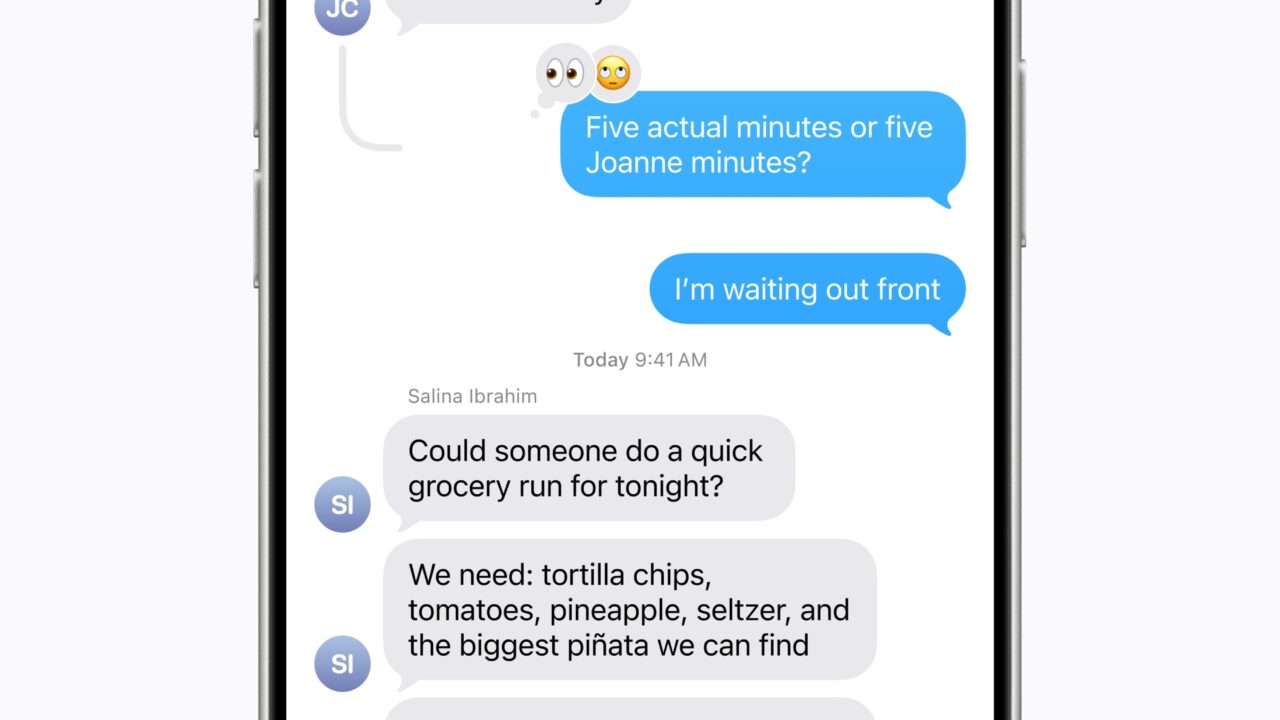
Apple’s iOS 27 AI features are turning everyday phone tasks into the main testing ground for consumer AI. TechCrunch reported that Apple is spreading AI across smaller iPhone features rather than relying only on a bigger Siri story. The examples include bill splitting from a receipt, password upgrades after breaches, one tap suggestions in Messages, call context, natural language calendar entries, Shortcuts prompts, Home app summaries and Safari tab grouping.
The useful signal is that AI is becoming part of the operating system, not just a separate app. For ordinary users, that is probably how most AI will be encountered: a prompt that appears at the right moment, a password task that is partly automated, or a phone call that surfaces the detail you need without asking a chatbot. The risk is that invisible convenience can make it harder to know when AI is reading, sorting or acting on private information.
Apple’s pitch is strongest when the feature stays close to a clear user action. A receipt photo, a calendar request or a visible Shortcut gives people a chance to understand what is happening. That is also why practical controls matter. A small business that lets staff use AI in email, passwords, calendars and documents needs the same habit Cristoniq sets out in its guide to AI governance: know where the tool operates, know what data it touches, and keep a human review point for anything important.
The UK angle is practical rather than regulatory today. Many readers will not buy a new AI product because of a launch blog, but they may inherit these features through a phone update. That makes default settings, privacy wording and simple opt outs more important than the model name behind the feature.
Signal president Meredith Whittaker used the latest chatbot debate to draw a sharp boundary between helpful tools and trusted relationships. TechCrunch covered her comments from a Bloomberg interview, where she argued that chatbots are not friends or conscious beings. She also pushed back on the idea of giving an assistant wide access to shopping, messaging, browser activity, address details and calendars.
The point is not that people should never use AI assistants. Whittaker said she uses them for limited formatting tasks. The more useful distinction is between a narrow job and an assistant with broad permissions across a person’s life. If an AI can see private messages, send replies, spend money and inspect your calendar, the trust question changes. It starts to look less like a clever productivity feature and more like an account access decision.

That is where the next phase of AI assistants will be won or lost. Better answers are useful, but permission design is the real test. A tool that asks for every account at once may feel powerful in a demo and reckless in daily life. Cristoniq’s explainer on what an AI agent is is a useful baseline here, because any agent that can act across services needs clear limits, logs and reversibility.
In the Weights turns AI visibility into a consumer product by showing how well different models appear to remember a person. TechCrunch reported that the site queries models including Grok, Gemini, GPT, Claude and Llama with prompts about a name, then groups the answers into a score. It is a playful product, but the underlying idea is not trivial.
Search reputation used to mean what appeared on Google. AI reputation is becoming stranger, because a model may answer from training data, partial memory, web search or a mixture of all three depending on the tool. In the Weights makes that shift visible. A score is not a reliable measure of importance, and the outputs can include mistakes, but the product shows why people and businesses will increasingly ask a new question: what does AI say about us when no one clicks through to a source?
For readers, the practical lesson is to treat model answers about people and companies as claims that need checking. If a tool can confidently invent context around a name, it can also mislead customers, employers or journalists. Cristoniq’s guide to AI confidence scores explains why polished output is not the same thing as reliability, even when a system gives an answer quickly.
Worth Watching
Best for: Everyday iPhone automation
The iOS 27 features show AI moving into familiar phone tasks rather than separate chatbot sessions.
Best for: Private messaging boundaries
Signal’s stance is a useful reminder that assistant access and message privacy are linked.
Best for: AI reputation checks
The tool makes model memory and hallucination risk easier for non technical users to see.
Here is everything else worth knowing from today’s AI news.
- DeepMind talent movement continued, TechCrunch reported that Nobel laureate John Jumper is leaving Google DeepMind for Anthropic. Treat it as a talent signal rather than a product change for users today.
- The Anthropic government action story was not used as a main item, because the available PM brief depended on named company export control and national security claims. That is the kind of legal and regulatory material the daily automation should exclude unless a human editor approves it.
The thing to watch next is whether AI features keep arriving as visible, reversible controls or disappear into settings and account permissions. The products that earn trust will make the boundary obvious before users have to search for it.
This is a daily news update for informational purposes only. AI products and policies change rapidly. Verify details directly with providers before making decisions. Nothing here is financial or legal advice.
AI Daily is Cristoniq’s daily guide to developments in artificial intelligence, published every weekday afternoon.