Token Burn Explained: Does It Make a Coin More Valuable?
Token burns remove coins from supply, but that does not make price gains automatic. Learn how supply, demand and spin interact in crypto.
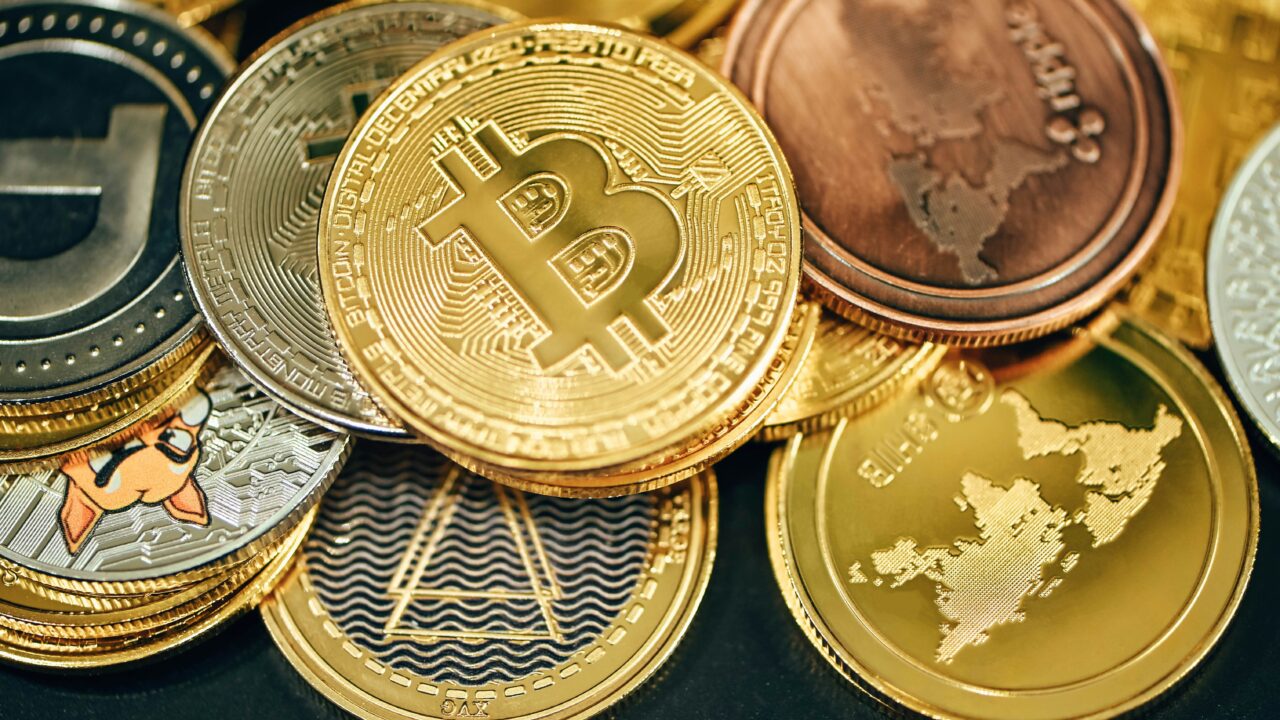
Token burns sound like simple scarcity. A project says it has destroyed coins, holders imagine fewer tokens chasing the same attention, and the announcement can feel automatically bullish. The useful question is quieter: what changed in the token’s economics, and what stayed exactly the same?
The Short Version
- A token burn removes coins or tokens from usable supply, usually by sending them somewhere they cannot be spent or by destroying them through protocol rules.
- Burning supply can matter, but it does not create demand by itself.
- A burn is more meaningful when it is predictable, verifiable and tied to real network use, rather than announced as a marketing event.
- The right question is not just how many tokens were burned. It is who burned them, why they were available, and whether the project has genuine activity behind it.
What A Token Burn Actually Does
A token burn is a deliberate removal of crypto supply. In plain terms, tokens that could previously move around the market are made unusable. Some burns happen because a project sends tokens to an address that no one is meant to control. Others happen inside the protocol itself, where a rule destroys part of a fee or supply amount as transactions are processed.
The effect is easiest to see on the supply side. If a token has one billion units and 50 million are permanently removed, the maximum number available to the market has fallen. That part is real if the burn is verifiable. On public blockchains, the transaction record can often be checked, which is why a burn should leave evidence rather than depend on a press release.
That does not mean every burn is equally important. Burning tokens that were already locked away, never likely to circulate, or controlled by the project team is different from burning tokens that were actively available in the market.
Why Fewer Tokens Does Not Automatically Mean Higher Price
The mistake is to treat supply as the whole story. Price is shaped by supply and demand together. Reducing supply can support value only if demand is steady or rising, and if the market believes the burn meaningfully changes future availability.
Imagine a concert with fewer tickets. If demand is strong, fewer tickets can make each ticket more valuable. If nobody wants to attend, removing some tickets does not solve the problem. Crypto works in a similar way.
This is why token burns sit close to the idea of crypto market cap. Market cap can make a project look larger or cheaper than it really is if readers ignore liquidity, circulating supply and demand. A burn can change the arithmetic, but it cannot create a healthy market on its own.
The Difference Between Protocol Burns And Marketing Burns
Some burns are built into the design of a network. Ethereum is the best known example: its documentation explains that the base fee paid for a transaction is burned, while the priority fee goes to the validator. EIP-1559, the Ethereum improvement proposal behind that system, also describes the base fee as burned. That does not make ETH risk free, and it does not promise a price outcome, but the burn is part of a transparent fee mechanism rather than a one off announcement.
Other burns are discretionary. A project may decide to destroy treasury tokens, team tokens, unsold tokens, or tokens bought back from the market. That can still be legitimate, but it asks for more scepticism. Who decided the burn? Was the supply ever realistically going to enter circulation? Is the burn part of a clear policy, or is it being used to generate attention during a weak market?
The more a burn depends on an announcement, the more readers should separate the mechanism from the marketing.
How To Read A Burn Announcement
Start with the source. A serious burn should be traceable through a transaction hash, a smart contract event, a protocol rule, or a clearly documented treasury movement. If you are new to that idea, our guide to crypto transaction hashes explains how a transaction record acts as a public reference point.
Then ask what supply number is being discussed. Total supply, maximum supply, circulating supply and fully diluted supply are not the same thing. A project can burn a huge number of tokens from a pool that was not circulating, while the supply available to buyers and sellers barely changes.
Finally, look for the missing half of the sentence. If a project says, “we burned tokens, therefore the token is scarcer”, that may be technically true. If it implies, “therefore the token should be worth more”, that is a much bigger claim. Demand, utility, liquidity, trust, security and broader market conditions still matter.
The Supply Question People Miss
The most useful question is not “how many tokens were burned?” It is “what would have happened to those tokens otherwise?”
If burned tokens were sitting in a team wallet with no realistic release path, the burn may be mostly symbolic. If they were scheduled to unlock soon, the burn may reduce a genuine future supply overhang. If they were bought back from the open market and then burned, the event may combine two separate effects: buying pressure first, supply reduction second. Those details matter more than the headline percentage.
There is also a governance angle. If a team can burn tokens whenever it wants, it may also have other forms of supply control. That can be useful in some designs, but it can also concentrate power. Readers should be especially careful with small, thinly traded tokens where a burn announcement can move sentiment faster than fundamentals.
A Worked Example
Suppose a fictional token has a maximum supply of one billion tokens. The project announces that it has burned 50 million. The simple version is that maximum supply has fallen by 5%, from one billion to 950 million.
Now add the detail. If those 50 million tokens were already locked permanently, the active market may barely notice. If they were due to unlock next month and be sold by insiders, the burn may remove a real concern. If the project bought them from the market before burning them, some of the market impact may have come from the buying, not from the burn itself.
Now add demand. If users are leaving, developers have stopped building and liquidity is thin, a smaller maximum supply may not help. If the network is active, fees are real, and the burn is part of a transparent rule, the supply change may be more meaningful. The same burn percentage can tell very different stories.
What This Means For You
Treat token burns as a prompt for questions, not as a signal to buy. A burn announcement tells you something may have changed in supply. It does not tell you whether demand is healthy, whether the token is fairly valued, or whether the project is safe.
Before taking any claim seriously, look for the transaction evidence, the supply category affected, and the reason those tokens existed in the first place. If the project cannot explain those points clearly, the burn is probably less useful than the headline suggests.
It also helps to compare burns with neighbouring crypto concepts. Wrapped tokens, for example, rely on backing and redemption mechanics, while burns are about removing supply.
In Plain English
A token burn is a way of taking coins out of usable supply. That can matter, but it is not magic.
If people still want the token, lower supply can strengthen the story. If demand is weak, a burn can become little more than a marketing line.
Check the evidence. Check the supply affected. Do not treat scarcity language as investment advice.
Useful source checks: the Ethereum fee documentation, EIP-1559 and CoinGecko methodology. They help verify whether a burn is built into a protocol rule or mainly being used as a marketing line.
This article is for general crypto education only. It is not financial advice or personal investment advice. Cryptoassets are volatile, and you may get back less than you put in.
Related Reads
- What is market cap in crypto, and why can it mislead people?
- What Is a Crypto Transaction Hash, and Why Does It Matter?
- Wrapped Token Explained: Why Crypto Wraps Assets
- What is a Crypto Airdrop, and Why Do Projects Give Away Free Tokens?
Disclaimer: Cryptocurrency investments are highly volatile and speculative. Their value can rise and fall sharply, and you could lose all of your investment. This article is for informational and educational purposes only and does not constitute financial advice. Always do your own research before making any investment decision.