13 June 2026: Agent workspaces become the PM signal
OpenAI's Ona deal, olmo-eval, BitBoard and Paca show agent tools moving into traceable workspaces with clearer human review for teams.

The afternoon signal is not another chatbot promise. It is the plumbing around agents: cloud workspaces, repeatable evaluations, traceable analytics and project boards that let humans see what an AI system did before trusting the result.
OpenAI’s planned acquisition of Ona points Codex towards longer running agent work. According to TechRadar, OpenAI has announced plans to acquire Ona, a startup focused on secure, persistent environments for AI agents. The report says Ona would join the Codex team after closing, subject to regulatory approval, and that its technology is designed to let agents keep context and access the tools they need across longer tasks.
That matters because the practical limit on many AI agents is not only model intelligence. It is whether the agent can hold state, use a controlled workspace, prove what it changed and pause safely when a human needs to decide. For small teams, the useful question is not whether an agent sounds clever in a demo. It is whether the system gives you permissions, logs and review points before it touches customer data, code or business records.
Codex is still best known as a coding tool, but the direction of travel is wider workplace automation. That makes the old distinction between “assistant” and “software system” less tidy. Readers trying to separate genuine agent workflows from ordinary chat prompts may find Cristoniq’s guide to RAG and business AI useful, because the same question keeps coming back: what information can the system retrieve, and how reliably can it use it?
AllenAI’s olmo-eval release is aimed at the boring but vital job of testing models repeatedly. In a Hugging Face post published on 12 June, AllenAI described olmo-eval as an evaluation workbench for the model development loop. The point is not to produce one headline benchmark. It is to help teams run comparable checks across changing model checkpoints, tasks and tool using setups.
That is more important than it sounds. As AI systems move into coding, customer support and analytics, teams need to know whether a new version actually improved or merely changed the failure pattern. The Hugging Face post says olmo-eval separates the task being measured from the harness that runs it, which should make it easier to compare the same benchmark under different runtime policies.
For ordinary buyers, this is a reminder to treat benchmark claims as starting points rather than verdicts. A vendor score tells you something about one test setup. A repeatable internal evaluation tells you whether the tool works on your own documents, workflows and risk tolerance. That is why model cards, eval notes and documented limits matter, as Cristoniq explains in its guide to AI model cards.
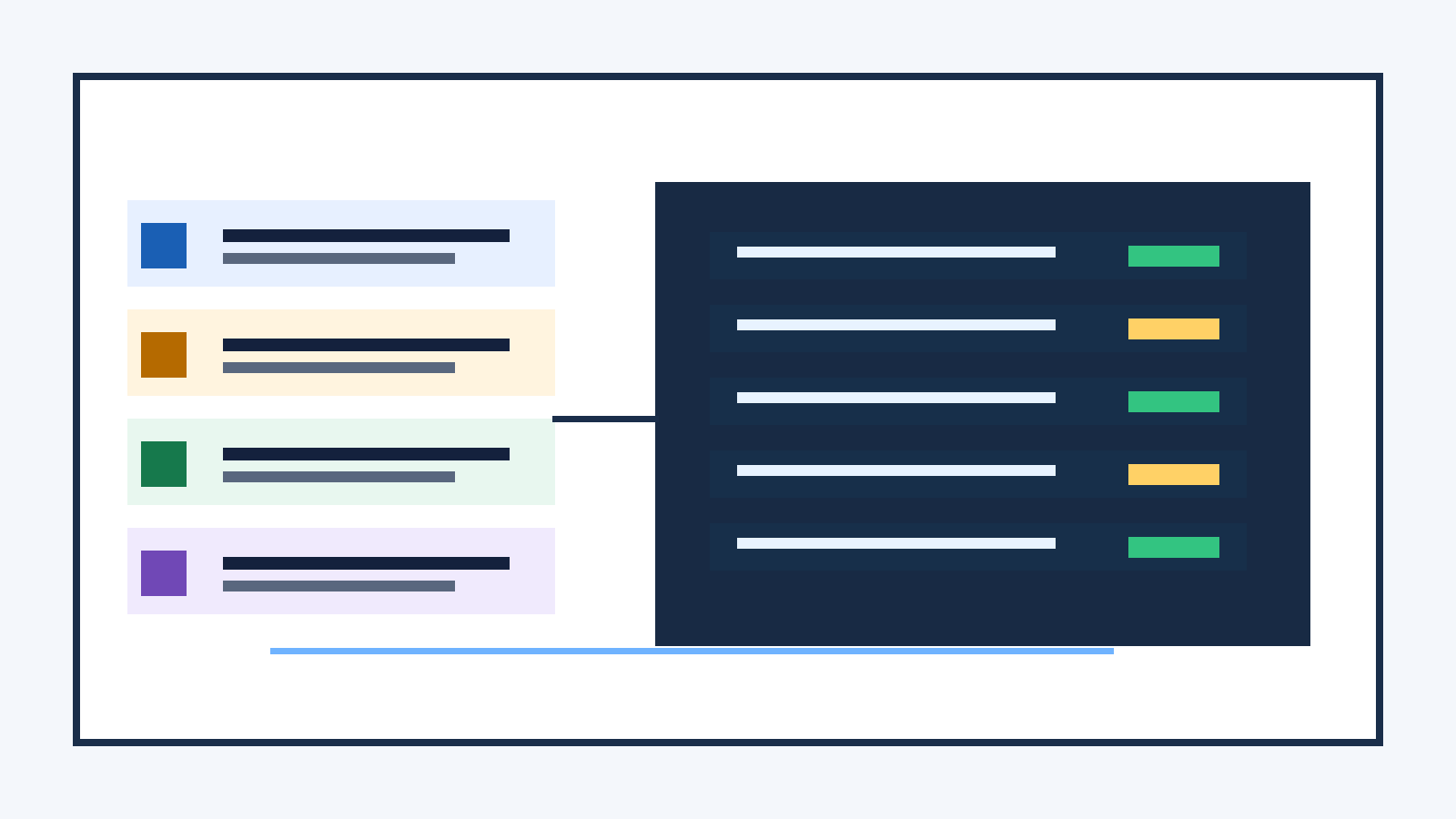
BitBoard is pitching agentic analytics as a workspace rather than a one off chat answer. The product site describes BitBoard as a way to build dashboards and reports with AI tools such as Claude, ChatGPT and Cursor. Its emphasis is not just generating a chart. It is storing connections, queries and code so analysis can be rerun and shared with a team.
That is a useful distinction for anyone using AI to analyse spreadsheets, customer data or operational metrics. A chat response can be quick, but it can also be hard to audit. If the logic disappears into a conversation, the next person has to trust the answer rather than inspect the route. A durable workspace gives teams a better chance of checking the data source, rerunning the query and spotting when the model took a shortcut.
The product still needs normal buyer scepticism. Teams should check what data sources are supported, how access controls work, what gets stored and how exports behave. But the direction is sensible: the next stage of AI analytics is less about a model sounding fluent and more about whether the workflow can survive handover, review and repeated use.
Paca shows the same agent trend moving into project management. The Paca GitHub repository describes the tool as an AI native, free and open source alternative to Jira, Trello, ClickUp and Monday for teams where humans and AI agents work on the same boards and sprints. That is a narrow claim, but it captures a wider shift in how people are starting to design work systems.
If agents are going to help with tickets, sprint planning or status updates, the board itself has to record more than human assignments. It needs to show which actions came from an agent, which ones need review and where the handoff back to a person happened. Otherwise, teams end up with faster tickets but weaker accountability.
The open source angle is worth watching because it lets developers inspect the assumptions baked into the workflow. Project management is full of edge cases: half finished tasks, unclear ownership, stale priorities and work that looks complete until a customer touches it. AI can help with that only if the system is honest about uncertainty and keeps human approval visible.
Worth Watching
Best for: Longer software agent tasks
Ona points Codex towards more persistent workspaces for tasks that need context and review.
Best for: Repeatable model evaluation
AllenAI is making repeated evaluation easier to run across changing models and harnesses.
Best for: Traceable AI analytics
The product turns AI generated analysis into dashboards with stored logic and rerunnable queries.
Here is everything else worth knowing from today’s AI news.
- Mistral funding talks, TechCrunch reported that Mistral is rumoured to be raising EUR 3 billion at a roughly EUR 20 billion valuation. Treat that as reported fundraising context, not a confirmed operating metric.
- Open source agent boards, Paca is early and developer led, but it is a useful sign that AI collaboration tools are moving from chat windows into the systems where work is assigned.
The thing to watch next is whether these agent workspaces make review easier or merely hide automation inside new dashboards. The winners will not be the tools that promise the most autonomy. They will be the ones that make human checks, source trails and rollback paths obvious.
This is a daily news update for informational purposes only. AI products and policies change rapidly. Verify details directly with providers before making decisions. Nothing here is financial or legal advice.
AI Daily is Cristoniq’s daily guide to developments in artificial intelligence, published every weekday afternoon.