6 June 2026: Search choice becomes the AI test (PM)
DuckDuckGo no-AI search, Microsoft Scout and Google Dreambeans lead today's practical PM AI Daily for UK readers and small firms now.

The afternoon AI signal is about choice: when AI appears in search, office software, shopping and personal feeds, the useful question is whether users can still decide how much automation they want. DuckDuckGo is turning no-AI search into a browser setting, Microsoft is testing a persistent work agent, Google is experimenting with personal story feeds, and Amazon is putting generated images into shopping search. For UK readers, the question is not whether AI is arriving. It is whether the controls arrive with it.
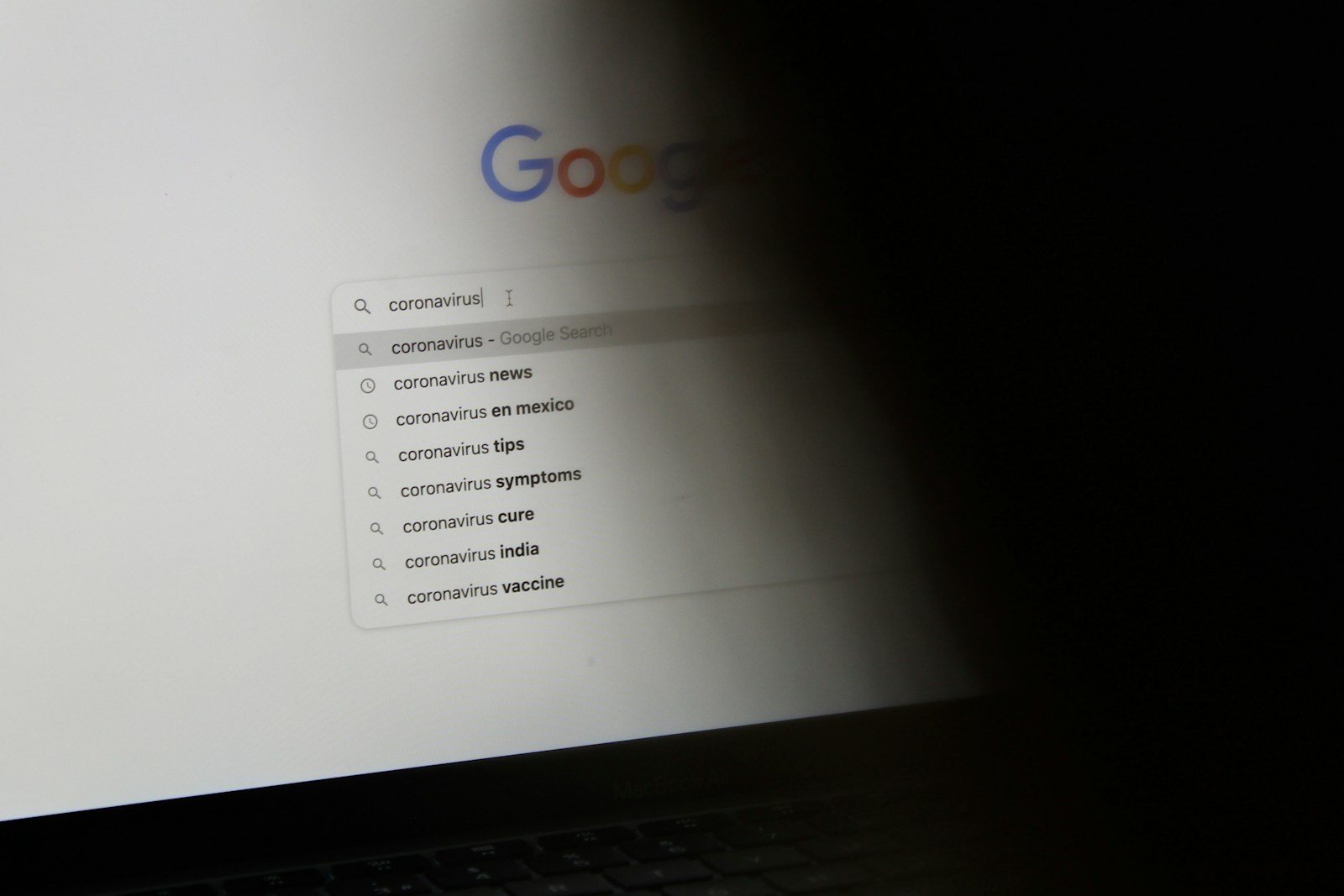
DuckDuckGo is making its no-AI search option easier to set as a default, turning user resistance into a product feature. TechCrunch reported that new Chrome and Firefox extensions can send users directly to DuckDuckGo’s AI-free search page. The company says that page avoids AI-assisted answers, chat prompts and many AI images in results.
This is not anti-AI in the abstract. DuckDuckGo still offers AI chat products. The point is choice at the search layer, especially after Google pushed AI Mode and AI Overviews closer to the default search experience. For UK readers, the practical move is to treat search settings like privacy settings. If you want a chatbot, choose one. If you want links first, make sure your browser and search defaults still reflect that choice.
Google’s Dreambeans experiment turns connected personal data into a limited daily feed of AI-illustrated stories. TechCrunch reported that the Google Labs app uses data from selected Google services to generate a curated list of stories, with AI artwork attached. A separate hands-on report from Tom’s Guide said the app is available to eligible US Google AI Ultra users aged 18 and over.
For consumers, Dreambeans is a useful test of where personalisation is going. Instead of asking a chatbot a question, the product tries to decide what should be brought to your attention each day. That can be helpful if it reduces endless scrolling, but it also makes consent and context more important. If an app reads across Gmail, Calendar, Photos, YouTube and search history, the user needs to understand which sources are connected, what is generated and how easily the feature can be switched off.
Amazon is adding AI-generated product images to shopping search, a feature that may help vague queries but also makes visual trust harder. TechCrunch reported that Amazon will show generated images inside its shopping app based on descriptive search terms. The idea is that shoppers who cannot name a product style can start from an AI image and then search for similar real items.
This is the kind of AI feature readers should inspect carefully. In theory, it helps with searches such as a colour, texture or furniture style when the buyer does not know the exact term. In practice, it also risks showing an attractive synthetic image before the actual product appears. For small retailers, the lesson is similar: generated visuals can support discovery, but they should not blur the line between an example, a recommendation and a real item for sale. Cristoniq’s explainer on why AI gets things wrong even when it sounds confident applies to images as well as text.
Lovable has expanded its Google Cloud relationship as vibe coding moves deeper into enterprise procurement. TechCrunch reported that Lovable and Google announced a broader multiyear collaboration, while a person with knowledge of the deal said it involved a fivefold increase in Lovable’s Google Cloud footprint, including AI usage. The report also said Lovable will get expanded access to Anthropic’s Claude and Google’s Gemini models.
The buyer signal is that vibe coding is no longer just a consumer hobby or founder demo. Lovable’s agent will be available through Google Cloud’s Gemini Enterprise Agent Gallery, and the company is integrating with Wiz for real-time security checks on code written by humans and agents. If your business is testing no-code or AI-assisted app building, the serious questions are now procurement, security review and ownership of generated code. The product may make creation faster, but the responsibility for what ships has not disappeared.
Microsoft has launched Scout, an experimental personal agent that brings OpenClaw-style automation into the Microsoft 365 world. TechCrunch reported that Scout is available through Microsoft’s Frontier programme and requires a GitHub Copilot subscription. It is built on the OpenClaw framework, runs across cloud, desktop and browser contexts, and is designed to keep a persistent identity, style and memory as users give it feedback.
The important part is not the branding. It is that Microsoft is trying to make agent behaviour auditable enough for ordinary work. The report says Scout includes a policy conformance system that checks whether the agent is following rules and creates an audit trail for those checks. That matters because agents are useful only when people can see what they did, which systems they touched and where a human can still intervene. Cristoniq’s guide to what can go wrong when AI agents act on your behalf is the practical backdrop here.
Worth Watching
Best for: Early enterprise agent testing
Its audit trail framing shows how agent controls may enter everyday office software.
Best for: Personal AI feed experiments
It tests whether connected personal context can replace open-ended scrolling.
Best for: Link-first web search
Its extension gives users a cleaner way to avoid AI answers by default.
Here is everything else worth knowing from today’s AI news.
- OpenAI is now part of a wider public-stake debate, with TechCrunch reporting that the Trump administration has discussed an equity stake and that proceeds could relate to OpenAI’s proposed Public Wealth Fund.
- Anthropic has started the IPO process, according to TechCrunch, which means future filings could finally show more detail on Claude revenue, model costs and voting control.
- Alphabet’s AI fundraising appetite remains huge, with TechCrunch reporting an $85 billion stock-sale plan tied to AI infrastructure and demand.
- Microsoft is also pushing enterprise agent systems beyond Scout, with the company arguing that identity, policy, context and human oversight matter more than isolated chatbot demos.
The thing to watch next is whether agent controls become visible enough for normal users. If the next wave of AI assistants can explain their actions, preserve audit trails and let people set firm limits, they may become useful workplace infrastructure. If not, they will remain impressive demos that sensible teams keep away from anything important.
This is a daily news update for informational purposes only. AI products and policies change rapidly. Verify details directly with providers before making decisions. Nothing here is financial or legal advice.
AI Daily is Cristoniq’s daily guide to developments in artificial intelligence, published every weekday afternoon.