Platform fees versus dealing fees: the difference beginners need to know
Platform fees and dealing fees are different costs. This plain-English guide explains how each one works and why beginners should compare the total bill.
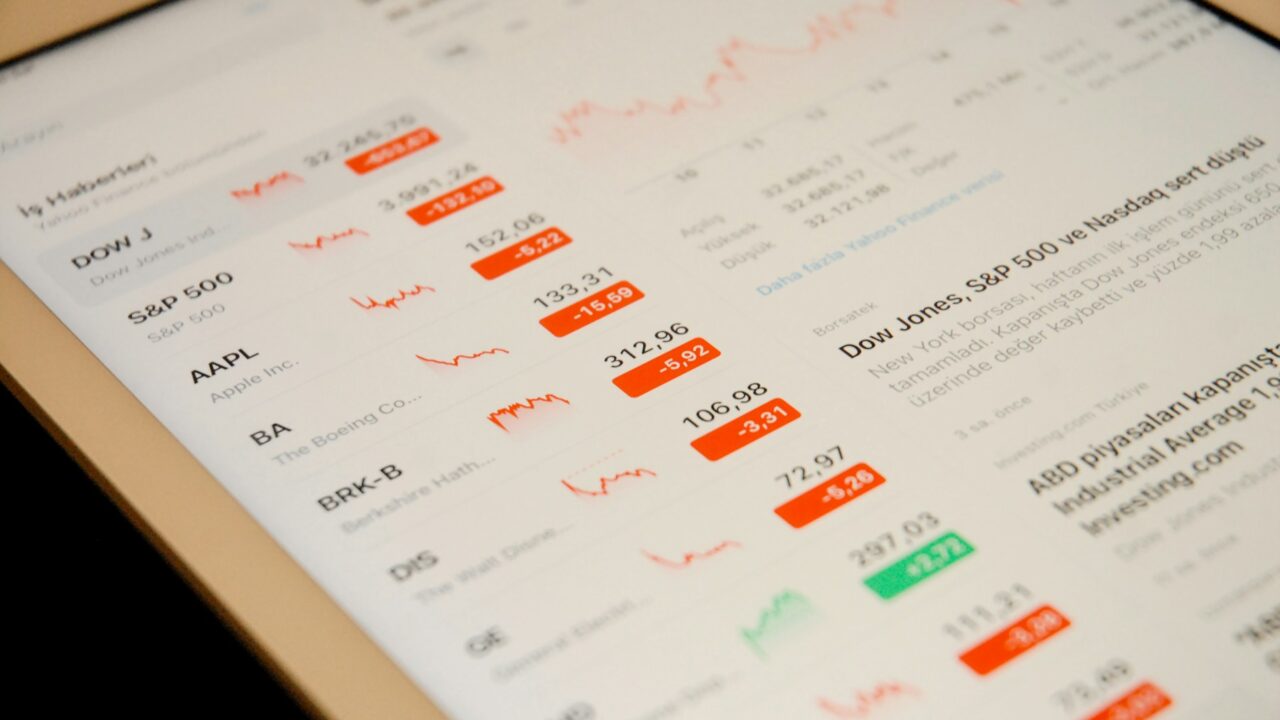
Platform fees and dealing fees both take money from your investment return, but they do it in different ways. A cheap-looking trade can still sit on an expensive account, and a low platform fee can be offset by frequent dealing costs.
The Short Version
Key Takeaways
- Platform fees are usually ongoing charges for holding investments on an account.
- Dealing fees are usually charged when you buy or sell an investment.
- The cheapest option depends on account size, trading frequency and the investments you use.
- Percentage platform fees can hurt larger portfolios, while flat fees can hurt smaller ones.
- Compare the total annual cost, not one headline charge.
What platform fees pay for
A platform fee is the charge for using the investment platform itself. It may cover account administration, custody, statements, tax wrappers, app access and the basic service that lets you hold investments in one place.
Some platforms charge a percentage of your account value. Others charge a flat monthly or annual amount. Some use a mix, with different rates for funds, shares, investment trusts or exchange traded funds.
The important point is that platform fees can apply even if you do not trade. A beginner who buys one fund and leaves it alone may still pay the platform every year. That is why platform fees matter for buy-and-hold investors.
The FCA says firms must give consumers clear information that is not misleading. For investors, the practical habit is to read the charges page and look for the annual platform charge, not just the price of a single trade.
What dealing fees pay for
A dealing fee is linked to a transaction. You may pay it when you buy or sell shares, investment trusts, exchange traded funds or other securities. Some platforms charge a fixed amount per trade. Others offer regular-investing plans at a lower dealing cost.
Funds can work differently. Many platforms do not charge a dealing fee for fund purchases, but the platform fee and the fund’s own ongoing charge still apply. That can make fund investing look cheaper at the point of purchase, even though it is not free.
Dealing fees matter most when you trade often or invest small amounts. Paying a fixed fee on a small trade can take a large percentage bite before the investment has even had a chance to perform.
This is why Cristoniq’s guide to placing your first trade should be read with cost in mind. A trade ticket is not just a button. It is also a cost decision.
Why the cheapest headline is not always cheapest
Beginners often compare platforms by one number. That number may be the dealing fee, the monthly account fee or the percentage platform charge. The problem is that your real cost is the combination.
A platform with no dealing fee may charge a higher ongoing fee. A platform with a cheap percentage fee may be expensive for frequent share trades. A flat-fee platform may be attractive for a larger portfolio, but poor value for a small starter account.
Account type matters too. A stocks and shares ISA, a general investment account and a SIPP can have different charges. Transfers, foreign exchange, dividend reinvestment and paper statements may also have separate fees.
The FCA’s investment platform information is a useful starting point because it frames platforms as services that need comparing, not neutral pipes.
How to compare costs properly
Start with a simple one-year example. Write down how much you expect to invest, how many trades you expect to make and what type of investments you plan to hold. Then calculate platform fees, dealing fees and fund or product charges separately.
For a small account that invests monthly into one fund, a high dealing fee may not matter if fund dealing is free. For a person buying individual shares every week, dealing fees can dominate the bill. For a larger passive portfolio, a percentage platform fee can become the main cost.
Do not ignore foreign exchange fees if you buy overseas shares or US-listed funds. The trade may look cheap, but currency conversion can be a meaningful hidden cost.
Cristoniq’s guide to what it costs to invest in shares goes deeper into spreads, stamp duty and other charges. Platform and dealing fees are only part of the total bill.
A Worked Example
Imagine Investor A has a £1,000 account and plans to buy one investment each month. A £10 dealing fee on every trade would cost £120 a year. That is 12 percent of the starting account value before market movement.
Now imagine Investor B has £80,000 invested and trades twice a year. A percentage platform fee of 0.45 percent would cost £360 a year before any fund charges. A flat-fee platform might be cheaper for that person, even if each trade costs more.
The better platform depends on the pattern. The beginner mistake is asking, “Which platform is cheapest?” The better question is, “Which platform is cheapest for how I will actually invest?”
That question also stops overtrading. If your cost comparison shows that frequent small trades are expensive, that is useful information before you start.
The charges that are easiest to miss
Some costs are less visible than platform fees and dealing fees. Foreign exchange charges can apply when you buy overseas shares. Stamp duty can apply when you buy many UK shares. Fund charges sit inside the fund, rather than appearing as a platform invoice.
Cash interest is another detail. Some platforms keep part of the interest earned on client cash. That may be disclosed in the terms, but many beginners do not notice it when comparing headline trading fees.
The safe approach is to build a short checklist. Account fee, platform fee, dealing fee, fund charge, spread, stamp duty and foreign exchange fee all belong on it when relevant.
What This Means For You
Do not choose a platform from a single advert or one fee line. Make a rough annual cost estimate using your likely account size and trading habits. Keep the calculation simple enough that you will actually use it.
If you are unsure how often you will trade, assume less activity rather than more. Investing usually rewards patience more than button pressing. A platform that nudges you towards frequent trades may not be the best teacher.
Review charges once a year. A platform that was cheap for a small account may not remain cheap as the account grows. Switching can have costs and hassle, so the decision still needs care.
In Plain English
Platform fees are the cost of having the account. Dealing fees are the cost of buying or selling. The right comparison is the whole bill over a year, based on how you really invest.
Related Reads
- What does it actually cost to invest in shares?
- How to place your first trade
- How to open a share dealing account in the UK
- Types of stockbroker: which one do you need?
This article is for general information and financial education only. It is not personal investment advice, tax advice, legal advice or a recommendation to buy or sell any investment. The value of investments can go down as well as up, and you may get back less than you invest. Tax rules can change and their effect depends on your circumstances. If you are unsure, seek guidance from a qualified financial adviser.