Market orders: why convenience can cost more than you expect
Market orders are fast, but that convenience can cost more than expected. Learn when they help, when they hurt, and how limit orders can protect beginners.
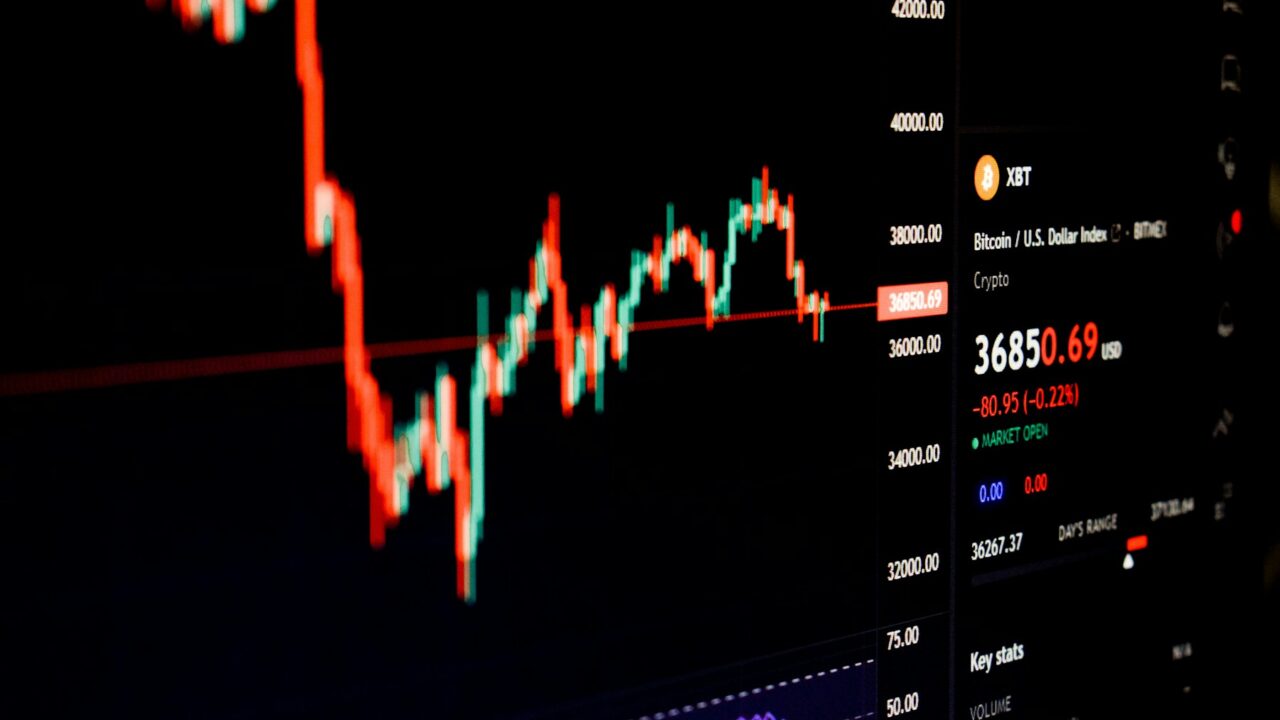
Market orders look like the easy button on an investing platform. You choose the share, press buy or sell, and let the market deal with the price. That speed can be useful, but it can also cost more than beginners expect.
The Short Version
Key Takeaways
- A market order asks your platform to trade quickly at the best available price.
- The price you see on screen may not be the final price you get.
- Market orders are riskiest in thin shares, volatile markets and wide spreads.
- A limit order can slow the trade down and set the worst price you will accept.
- This is education, not a recommendation to buy or sell any investment.
What a market order actually does
A market order is an instruction to buy or sell as soon as possible at the best price available in the market. It prioritises execution over price control. That makes it different from a limit order, where you set the maximum price you will pay or the minimum price you will accept.
The convenience is obvious. You do not need to calculate a price, watch the order book or decide how patient to be. The platform sends the instruction and the trade usually completes quickly.
The trade-off is just as important. A market order does not promise the last price you saw on screen. It promises that your order will try to find available buyers or sellers. In a calm, liquid share, the difference may be small. In a thin or fast market, it can matter.
Why the screen price can mislead beginners
Many investors look at one visible price and assume it is the price they will get. Real execution is messier. Shares often have a bid price, an offer price and a spread between them. The bid is what buyers are prepared to pay. The offer is what sellers are asking.
If you buy with a market order, you usually deal near the offer. If you sell, you usually deal near the bid. That spread is a real cost, even when no platform fee is labelled as a charge.
The issue gets sharper when the quote is stale, the market is moving, or the share trades in small volumes. A price shown a few seconds ago may not represent enough shares for your order. Your platform may have to fill the order at the next available price.
This is why Cristoniq’s guide to how to read a share price listing matters. The screen is useful, but it is not a guarantee.
Where market orders can cost more
Market orders are most risky when liquidity is thin. Smaller UK shares can have fewer buyers and sellers. The spread can be wide, and the amount available at the quoted price can be limited. A small order may be fine. A larger order can move through several prices.
They can also be risky around news. Company results, profit warnings, takeover talk, broker notes and market shocks can all change prices quickly. A market order sent into that noise may execute at a level that looks surprising a minute later.
Another problem is emotional timing. Beginners often use market orders when they feel rushed. They want in after a price jump or out after a fall. That is when price discipline matters most, because speed can become part of the mistake.
The Financial Conduct Authority’s work on best execution in UK listed equities is aimed at firms, not beginners. But the principle is useful: execution quality is about the outcome, including price, costs, speed and likelihood of execution.
How a limit order changes the decision
A limit order adds a price boundary. If you are buying, it says the most you are willing to pay. If you are selling, it says the least you are willing to accept. The order may not complete, but it protects you from a worse price than the limit you set.
That protection can be valuable in shares with wide spreads. It can also help when you are trading outside the busiest hours of the market or when news has made prices jumpy.
The cost is patience. A limit order can sit unfilled. It can be partly filled. It can expire. That may feel annoying, but not trading is sometimes better than trading at a poor price.
If you are new to this, read Cristoniq’s guide to limit orders alongside this one. The two ideas belong together.
A Worked Example
Imagine a share is quoted at 98p to sell and 102p to buy. The last traded price on your app shows 100p. You decide to buy and use a market order because it feels quick.
If there are enough shares available at 102p, your trade may complete near that level. But if only a small amount is available and the next seller wants 105p, part of your order may fill higher. Your average price may be worse than the neat 100p figure you had in mind.
Now imagine you had used a limit order at 102p. The order might fill only if enough shares were available at or below that price. If not, it might sit there or fail. That is less convenient, but it gives you a clear boundary.
The point is not that market orders are always wrong. The point is that they answer a different question. They ask, “Can I trade now?” A limit order asks, “Can I trade at a price I have already accepted?”
Common mistakes to avoid
The first mistake is using a market order because the platform makes it the quickest path. The easiest button is not always the safest instruction. Check the price type before you confirm.
The second mistake is ignoring order size. A small trade in a busy FTSE share is not the same as a larger trade in a thin small cap. The less liquid the share, the more price control matters.
The third mistake is trading when you do not understand the spread. If the buying price is much higher than the selling price, the trade starts with a cost that has to be earned back.
What This Means For You
Before using a market order, ask whether speed really matters. If you are investing for the long term, a few seconds of convenience should not outweigh a poor entry or exit price.
Check the spread, the normal trading volume and whether the share has just reacted to news. If the spread looks wide or the price is moving quickly, slow down. A limit order may be the more disciplined choice.
Keep your contract notes and compare the execution price with the price you expected. That habit teaches you more than the trade ticket does. It also helps you understand the real cost of convenience.
In Plain English
A market order is fast, but it gives up price control. That may be fine in a busy, liquid share. It can be costly in a thin or jumpy market. If the price matters, set a limit.
Related Reads
- What a limit order is and when it can protect beginners
- How to read a share price listing
- What does it actually cost to invest in shares?
- How to place your first trade
This article is for general information and financial education only. It is not personal investment advice, tax advice, legal advice or a recommendation to buy or sell any investment. The value of investments can go down as well as up, and you may get back less than you invest. Tax rules can change and their effect depends on your circumstances. If you are unsure, seek guidance from a qualified financial adviser.