Crypto Daily 10 Apr: Bitcoin Tests $72K, XRP Leads Rally
A US–Iran ceasefire pushed Bitcoin above $72,000 on Friday and sent XRP up more than 5%. Markets are stabilising, but sentiment remains in the fear zone — this is a relief rally, not a recovery.
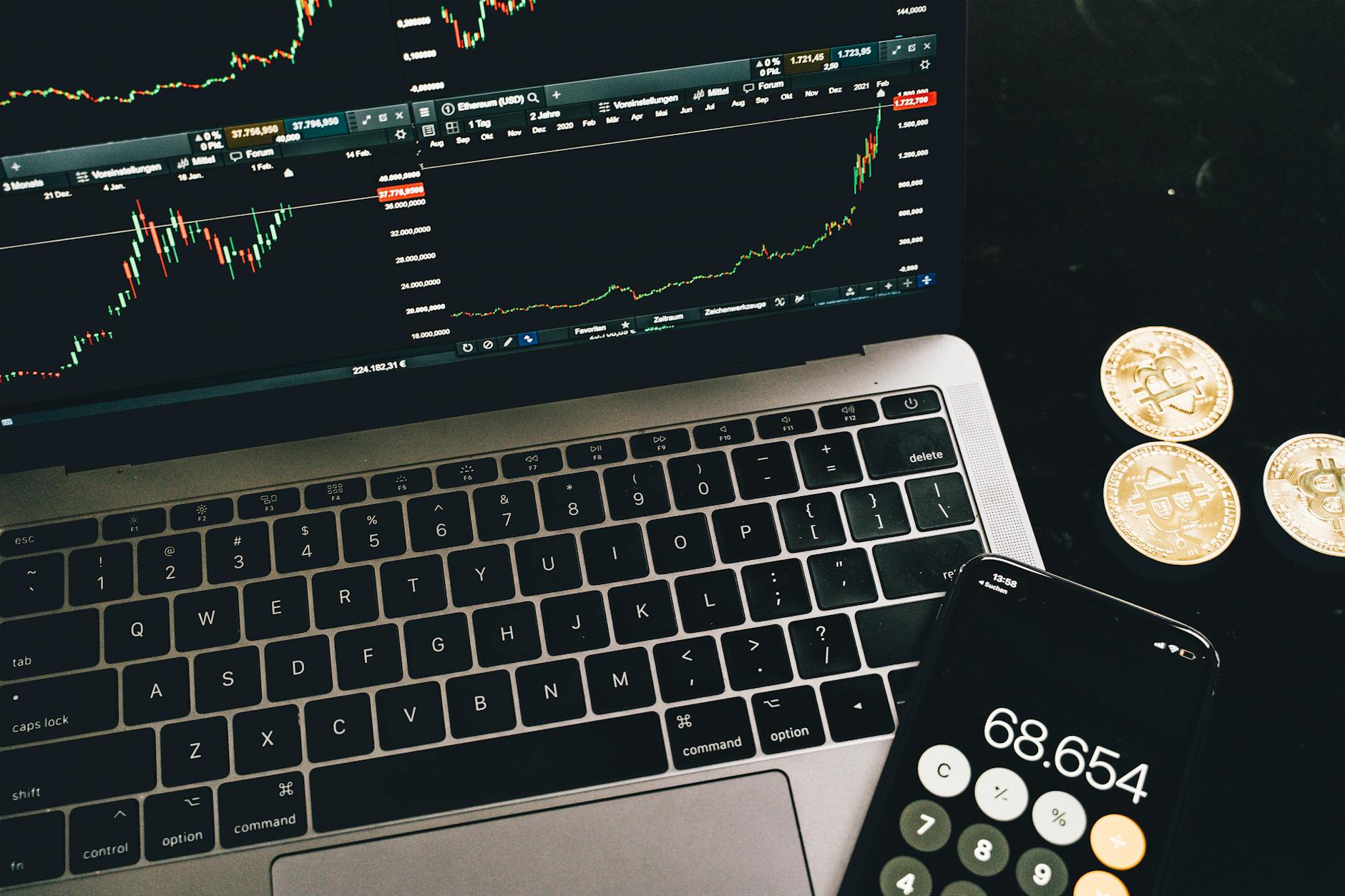
A US–Iran ceasefire announcement pushed Bitcoin above $72,000 on Friday, with XRP surging more than 5% as traders rotated into higher-risk assets. But this is a relief rally, not a recovery — the broader market remains in cautious repair mode, with sentiment still in the fear zone and institutional money on the sidelines.
What happened
Crypto markets caught a lift on Friday from an unexpected source: a temporary ceasefire between the US and Iran reduced fears about energy supply disruption, nudging investors toward riskier assets across stocks and crypto alike. Bitcoin climbed above $72,000, XRP jumped more than 5%, and the total crypto market added about 1.4% to reach approximately $2.52 trillion in value on roughly $95 billion in daily trading.
That said, context matters. The first quarter of 2026 was genuinely painful — Bitcoin fell 22.1% over Q1 and the broader CoinDesk 20 index dropped 27.4%. Friday’s session is best understood as a partial bounce off those lows, not a signal that the correction is over.
How markets are feeling
The Fear & Greed Index — which combines volatility, trading volume, social media activity, and search trends into a single 0-to-100 score — sits at 44, in the Fear band. That is a significant recovery from the extreme readings of early April, when the score fell as low as 8 (a level not seen since the Terra/Luna collapse in 2022). Sentiment is clearly improving, but it has not yet crossed into positive territory above 50. The overall picture is cautious stabilisation rather than confident recovery.
Bitcoin’s dominance — the share of total crypto market value held in Bitcoin — stands at 57.2%, with Ethereum at around 10.5%. A Bitcoin dominance above 55% typically signals that investors are concentrating in the relative safety of Bitcoin rather than spreading into smaller coins. That is consistent with a market still in repair mode.
The coins that moved
Bitcoin (BTC) — ~$72,074
Bitcoin moved above $72,000 directly on the ceasefire news. The key technical level to watch is $73,868 — a confirmed daily close above that would open the path toward $75,000–$76,000. If that fails, the $68,900 area becomes the support floor to defend. Short-term momentum is positive; the bigger picture (monthly timeframe) remains corrective from January’s highs above $90,000.
XRP — ~$1.37
XRP was Friday’s standout. The token surged more than 5% as reduced geopolitical uncertainty encouraged buying in more volatile assets — XRP tends to move more sharply than Bitcoin in both directions. A few additional tailwinds helped: Ripple launched a Treasury Management System letting businesses hold XRP and fiat currencies from a single regulated interface, and the XRP-Tokyo 2026 Conference highlighted growing enterprise interest in cross-border payments. XRP ETF products attracted $3.30 million in net inflows on 7 April — bucking the trend of outflows seen in Bitcoin and Ethereum ETFs. Standard Chartered trimmed its 2026 price target to $2.80 citing macro uncertainty; a sustained close above $1.40 would be the next positive signal.
Ethereum (ETH) — ~$2,200
Ethereum is stabilising in the $2,000–$2,200 range after a difficult Q1, but there is no Ethereum-specific reason to buy right now. Institutional ETF products recorded net outflows of approximately $64.67 million on 7 April — which tells you institutional buyers are not stepping in aggressively at these levels. No directional conviction; Ethereum is drifting.
BNB — ~$613.68
BNB — the token closely tied to the Binance exchange — is one of the weaker performers this week, down 0.5% on the day and 2.64% over seven days. No specific negative news; this reflects a broader tendency for exchange-linked tokens to underperform in uncertain conditions as investors concentrate in Bitcoin.
Solana (SOL) — ~$81
Solana is struggling. The high-speed blockchain network has posted negative monthly closes since October 2025, and Friday was more of the same — down 1.5% on the day and around 5% over the week. Price was rejected from $82 and finding few buyers. The $78 level is the key support to watch: a closing break below it could trigger a move toward $70–$72.
What the money is telling us
The ETF flow data from 7 April is instructive. Bitcoin ETFs saw approximately $159 million in net outflows, Ethereum ETFs lost around $64.67 million, and XRP ETFs attracted $3.30 million in inflows. Institutional investors are clearly not adding aggressively to Bitcoin or Ethereum right now — but they are selectively buying XRP, which is consistent with Friday’s price performance.
Things worth watching
- US CPI data (10–11 April): The most important number of the week. Inflation coming in lower than expected would be good for risk assets including crypto; a hotter reading would likely weigh on them. This is the next real test of whether Friday’s rally has legs.
- Bitcoin at $73,868: The resistance level that matters most. A confirmed daily close above it points toward $75,000–$76,000. A failure there may mean a retest of $68,900–$70,000.
- XRP at $1.40: A sustained close above this level would confirm Friday’s move as a genuine breakout rather than a one-day reaction to the ceasefire news.
- Solana’s $78 support: If SOL closes below $78, the next support zone is $70–$72. Worth watching if you hold Solana.
- UK FCA crypto regulation: The FCA opens its pre-application support window in July 2026, with full authorisation from September. Policy statements due this summer will define what the UK crypto compliance framework actually looks like in practice.
This is an automated daily market briefing for informational purposes only. Prices are sourced at the time of research and may have changed. Nothing here is financial advice. Crypto markets are highly volatile — always do your own research before making any financial decision. Several data sources including CoinGecko, Fear & Greed Index API, Coinglass, CryptoQuant, Glassnode, and Santiment were unavailable at research time; where used, figures are drawn from third-party web trackers and published reports.