The Stargate story has a postcode. Two of them, actually.
What OpenAI's pause really means for the North East, and for the communities that were promised something.
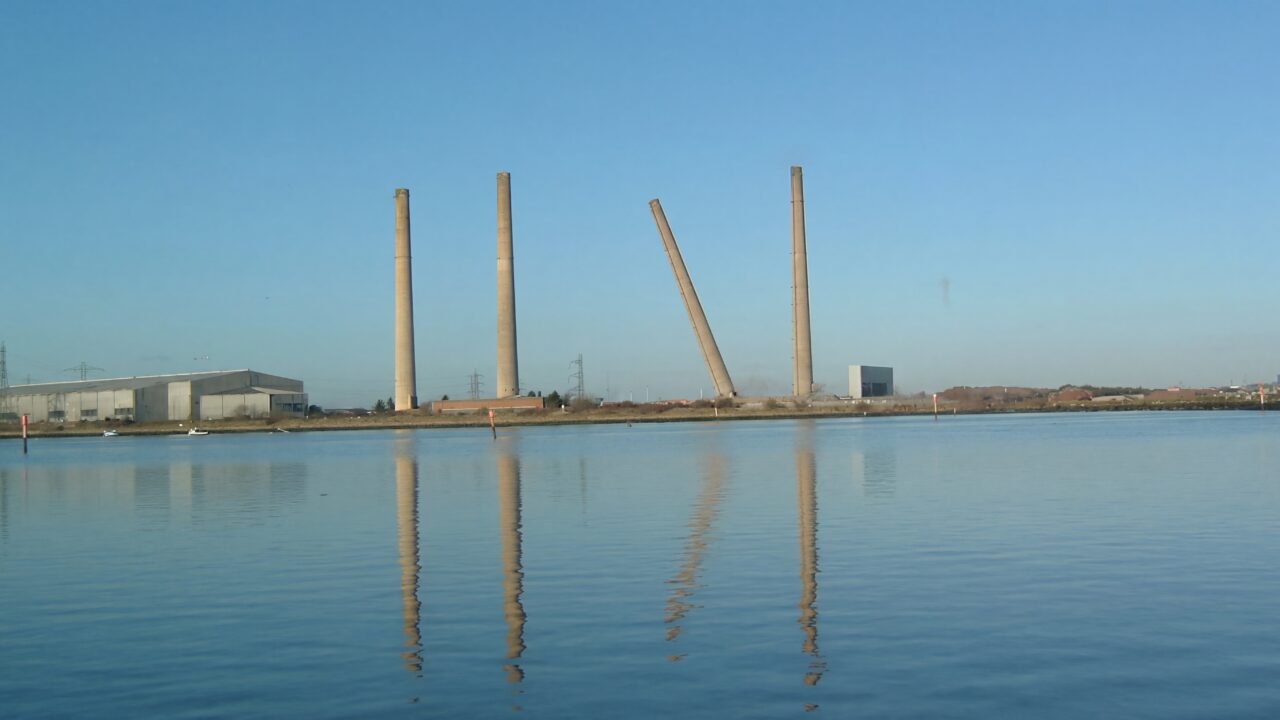
When OpenAI announced it was pausing its Stargate UK data centre programme, the story was reported as a problem for UK AI infrastructure and national AI strategy. It is. But it is also something more specific: a story about two places most political editors couldn’t find on a map. Cobalt Park in North Tyneside, and the old power station site at Blyth in Northumberland.
These are the places the North East AI Growth Zone was built around, and part of the wider story of Britain and the AI race. They deserve a clear account of what was promised, what exists, and what this pause actually means.
Why Stargate matters beyond the postcode
The first thing to understand is the geography, because the coverage has blurred it. Cobalt Park is where OpenAI’s facility was supposed to go. It is an existing business park in North Tyneside, already home to several data centres, and it was named as the first Stargate UK deployment site alongside Nvidia and UK company Nscale. The plan was for up to 8,000 Nvidia GPUs in the first phase, scaling eventually to 31,000. That is the piece that has been paused.
Blyth is different, though it gets bundled into the same headline figures. The former power station site at Cambois is where Blackstone, through its data centre company QTS, is building a separate campus. It is enormous on paper: 540,000 square metres of data centre space, 1.1 gigawatts of planned energy capacity, around £10 billion committed. This was not paused this week. It is still happening.
The government designated both sites together as the North East AI Growth Zone in September 2025. The combined pitch was 5,000 jobs, £30 billion of investment, and a framing that the North East was becoming one of the largest data centre hubs in Europe. Locally it was presented as the region’s industrial legacy finding a new form. Shipyards to server halls. Coal to compute. Blyth as the symbol of that transformation.
That framing was always doing a lot of work.
The honest read is this. The Blackstone campus at Blyth is probably more solid than the OpenAI piece ever was. QTS and Blackstone are data centre specialists. Their investment was in motion before OpenAI arrived and will remain attractive to tenants regardless of what OpenAI does. Someone will fill that space. The question is whether those tenants are running the most advanced AI models in the world or running more ordinary cloud workloads, and whether that distinction matters to the people around it.
For Cobalt Park the situation is less comfortable. Without OpenAI and Nvidia, it is still a data centre park, but a fairly ordinary one rather than a site with national strategic significance. The jobs and investment figures that got politicians excited were tied to the Stargate label. Remove that and the numbers look different, or at least more distant.
There is also a timing problem. The 5,000 jobs and £30 billion figures were being banked in speeches before a single GPU had been installed. That is not unusual in inward investment politics. But it means the communities around Blyth and Cobalt Park were sold a future that depended on things no one had full control over: OpenAI’s commercial decisions, UK energy pricing, grid capacity, planning timelines, and the willingness of a San Francisco company to keep backing a site in Northumberland when Texas or Norway were also on the table.
OpenAI cited energy costs and regulatory uncertainty when it paused. Neither of those is a new problem. UK industrial power is more expensive than in many US states and in European countries with significant hydroelectric capacity. The planning and grid connection process for large sites is slow. These were known when the investment was announced. They were simply treated as problems that would get sorted.
The government says it remains committed to the AI Growth Zone. The North East Combined Authority is still actively marketing the sites. That commitment is real and worth something. But the work that keeps getting deferred, fixing grid access, energy pricing for large compute facilities, and putting a clear regulatory framework in place for frontier AI, is not optional. It is the actual precondition for any of this happening at the scale that was promised.
The North East does not need sympathy. It needs the specific problems OpenAI pointed at to be taken seriously and resolved. Not another speech. Not a rebrand. The work.