What is a seed phrase, and why must you protect it?
Seed phrase safety made simple: learn what it controls, why screenshots are risky, and how to protect your wallet backup before anything goes wrong.
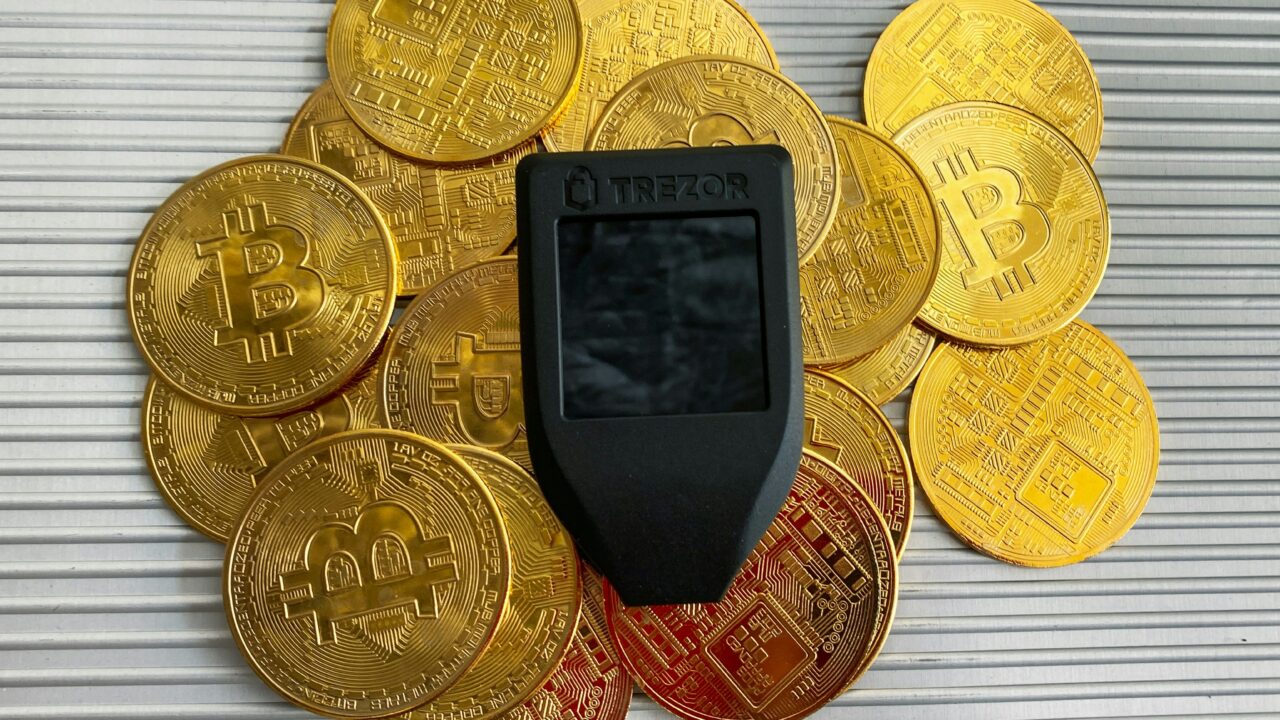
A seed phrase is the backup that can restore a crypto wallet when the device is lost, broken, or replaced. It is also the one thing a thief needs to empty that wallet. That is why these ordinary words deserve more care than any password.
The Short Version
- Your seed phrase is the master backup for a self-custody crypto wallet.
- Anyone who has it can restore the wallet and move the coins.
- No exchange, wallet maker, or support team should ever ask for it.
- Keep it offline, readable, private, and protected from fire, water, theft, and forgetfulness.
Why a seed phrase exists
A crypto wallet does not really hold coins. The coins sit on a blockchain, which is the public record of transactions. Your wallet holds the keys that prove you can move them.
A seed phrase is a human-readable backup for those keys. Most wallets show 12 or 24 words when you first set them up. Those words are generated from random data, then mapped to a standard word list.
The common standard is called BIP-39. It lets compatible wallets rebuild the same keys from the same words. That is useful, but it also creates a clear single point of failure.
How it differs from a password
A password usually protects access to one account. If someone guesses it, a company may reset it. If you forget it, there may be a recovery process.
A seed phrase is different. It is not just a login. It can recreate the wallet itself, even on a new device. That makes it more like the deed to the wallet than the lock on the door.
This is why the phrase matters more than the wallet app. If your phone breaks, the app can be replaced. If the words are gone, the wallet may be gone too.
There is another difference: changing a password usually changes future access, but it does not move the account itself. With a wallet backup, the words can recreate control from scratch. That is why you should not test them in random online tools.
Why screenshots are dangerous
The easiest mistake is making a digital copy. A screenshot feels harmless because it stays on your phone. In reality, it may sync to cloud storage, photo backups, or another device.
Never type your seed phrase into a notes app, email draft, chat message, password manager, or cloud document. Each copy creates another place for it to leak. One hacked account can become enough.
Scammers also ask for the phrase directly. They pretend to be wallet support, exchange staff, or recovery services. No real support agent needs your recovery words to fix a normal account problem.
How to store it safely
A seed phrase should start on paper, written clearly and in the right order. Check every word twice before putting it away. A single wrong word can stop recovery from working.
Paper is simple, but it burns and gets wet. Some people use metal backup plates because they resist fire and water better. The point is not the product. The point is durability.
Storage also needs privacy. A safe, locked cabinet, or trusted legal storage location is better than a drawer. If another person can find it, they can use it.
It can help to keep more than one copy. That reduces the risk of losing access yourself. But each extra copy must be protected as carefully as the first.
Do not laminate the only copy without thinking it through. Heat can damage cheap plastic, and ink can fade. The backup needs to survive boring problems as well as dramatic ones.
Should you split the words
Some people split a seed phrase into parts and store each part in a different place. The idea is that a thief needs more than one location. It sounds neat, but it can create new problems.
If you lose one part, you may lose the whole wallet. If a family member finds only one part later, they may not know what it means. A clever system can become a trap.
For most ordinary users, simple and private beats clever and fragile. One or two complete copies, held securely, are easier to understand. Larger holdings may need specialist estate planning or multi-signature custody.
Multi-signature means several keys are needed before coins can move. It can reduce single-point risk, but it adds complexity. Use it only when you understand the setup clearly.
Mistakes that lose wallets
The first mistake is assuming the wallet company can help. With self-custody, you are choosing direct control. That also means direct responsibility.
The second mistake is hiding the words so well that nobody can find them later. This matters for families. If you hold meaningful crypto, someone trusted may need instructions if you die.
The third mistake is confusing exchange custody with wallet custody. If your coins sit on an exchange, the exchange controls the keys. If you move coins to your own wallet, your backup becomes critical.
Our guide to what a crypto wallet is explains that difference in more detail. The post on how to store crypto safely covers the wider custody question.
A Worked Example
Say Maya buys a hardware wallet and moves a small amount of bitcoin to it. She writes down her seed phrase and stores it in a locked fireproof box. She then uses the wallet for several years.
One day the device stops turning on. The coins have not disappeared. They are still recorded on the blockchain. What Maya has lost is the device that signs transactions.
Because she kept the words, she can buy a new compatible wallet and restore access. If she had kept only the broken device, she would have a much harder problem. If someone else had copied the words, they could restore the wallet first.
What This Means For You
If your seed phrase protects a meaningful amount of money, treat it as a serious household document. Do not leave it to memory, screenshots, or a vague plan to sort later.
Before moving crypto off an exchange, understand what you are taking on. The crypto exchange guide explains the trade-off between convenience and control. The FCA also warns UK consumers that cryptoassets are high risk and protections can be limited.
The practical question is simple. Could you recover your wallet tomorrow if your phone, laptop, or hardware device failed today? If not, fix the backup before adding more funds.
In Plain English
A seed phrase is the spare master key for your crypto wallet. It lets you recover the wallet when your device fails. It also lets anyone else take control if they see it.
Keep the words offline, private, and physically safe. Check that they are readable. Make sure your future self, and only the right trusted person, can find them when needed.
Disclaimer: Cryptocurrency is highly volatile and speculative. Its value can rise and fall sharply, and you could lose all of your money. This article is for information and education only. It is not financial advice.