YouTube vs TikTok: which platform is right for your business?
TikTok or YouTube for your small business? An honest UK guide on which platform actually drives customers, based on what you sell and your time.
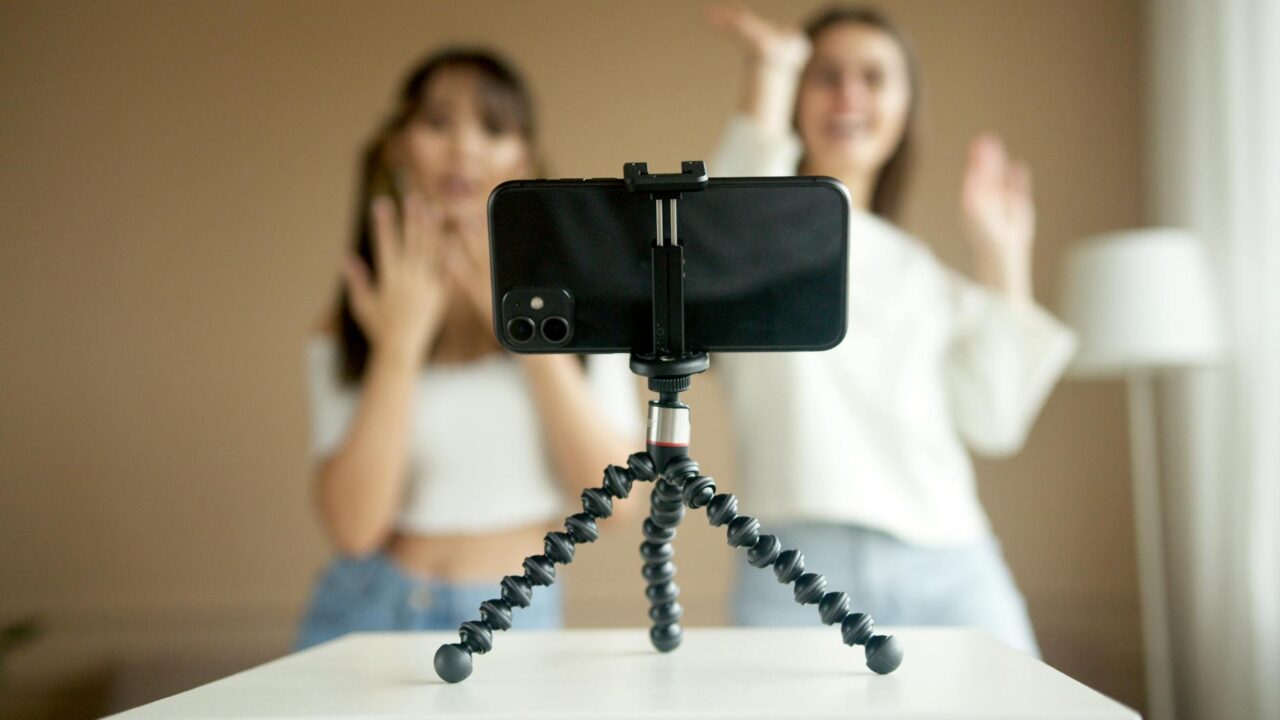
YouTube vs TikTok is not a question about which app is cooler. It is a question about how your customers find answers, build trust and decide to buy.
The Short Version
- YouTube is usually stronger when customers search, compare and research before buying.
- TikTok is usually stronger when the product is visual, quick to understand and easy to share.
- YouTube vs TikTok is really a choice between search demand and discovery demand.
- Most small businesses should test one main platform for six months, not split weak effort across both.
- Judge the result by enquiries, bookings and sales, not by views alone.
How each platform finds customers
The YouTube vs TikTok choice starts with discovery. YouTube behaves like a search engine as well as a video platform. People type questions into YouTube and Google, then watch the result that looks useful.
TikTok behaves more like a fast recommendation feed. People may search there, but most viewing still starts with the For You feed. The app tests a clip, watches how people react, then pushes it wider if it holds attention.
That difference matters for a business. A YouTube video can answer a question for years. A TikTok can find a large audience quickly, then fade just as fast.
Ofcom’s Online Nation 2025 report shows how central online video is in the UK. It also shows why age, habits and time spent on each service should shape your channel choice.
What kind of business fits TikTok
TikTok tends to suit products that can be understood in seconds. Food, fashion, beauty, fitness, pets, home products and local experiences often work well there. The viewer sees the thing, gets the point and reacts.
For product-led companies, YouTube vs TikTok often comes down to how much explanation the buyer needs. If the answer is not much, TikTok can create useful awareness. It can also help a small brand look more human.
That does not make TikTok easy. The first three seconds carry a lot of weight. The video needs a clear hook, a visual reason to keep watching and a simple next step.
TikTok’s own business guidance pushes discovery, ads and quick creative testing. That is useful, but remember who is talking. The platform wants you to spend time and money there.
What kind of business fits YouTube
YouTube tends to suit businesses where trust takes time. Accountants, advisers, trades, software firms, coaches and B2B services often need room to explain. A thirty second clip may not be enough.
For service businesses, YouTube vs TikTok is often a trust question. A potential customer may watch a ten minute guide before booking a call. That longer attention is hard to earn, but valuable when it happens.
YouTube also fits topics people keep searching for. A video on choosing a heat pump, fixing a website problem or preparing for a consultation can keep working. It becomes a small asset, not just a post.
This is why the Cristoniq guide to how algorithms work matters here. Each platform rewards different behaviour, so the same video plan will not perform the same way everywhere.
Time and production tradeoffs
The time question in YouTube vs TikTok is brutally practical. A decent short video can be planned, filmed and posted quickly once you have a routine. The catch is that you need many attempts.
TikTok usually rewards steady output. Four short videos a week is a realistic test for many owners. One rushed clip every fortnight is not enough data.
YouTube asks for fewer, heavier pieces of work. A useful video may need research, filming, editing, a thumbnail and a clear title. One strong video a week or fortnight can still be enough.
YouTube Shorts can sit between the two. YouTube explains how Shorts can point viewers towards longer videos through related video links. That can help if short clips introduce a deeper guide.
Search, trust and the long tail
Search is the biggest YouTube vs TikTok difference. A YouTube video can be built around a specific question your buyer already has. That might be the exact question they type before calling someone.
TikTok can still influence search. People often see a product there, then look it up elsewhere. But the account itself is less likely to become a long-term library of answers.
Trust also works differently. YouTube lets someone spend longer with your thinking. TikTok lets someone feel your style faster. Both can build trust, but they do it at different speeds.
If your business needs authority, pair video with other proof. LinkedIn can help small business owners show experience, case studies and professional context around the video work.
How to measure YouTube vs TikTok
A useful YouTube vs TikTok test needs a business metric before it needs a content metric. Views are only the first signal. The better questions are about leads, sales, bookings and repeat enquiries.
Use simple tracking. Add a different landing page, booking link, discount code or enquiry question for each platform. Ask new customers where they first saw you.
Watch time still matters. If people leave a YouTube video after twenty seconds, the topic or opening is wrong. If people replay a TikTok but never click through, the clip may be entertaining without selling.
Set a fair test window. Three weeks is too short for most businesses. Six months gives you enough posts, comments, enquiries and sales signals to judge properly.
A Worked Example
Take a local kitchen installer in Manchester. In this YouTube vs TikTok example, the business sells a high-value service that people research carefully. The customer wants ideas, prices, proof and confidence.
YouTube would suit guides such as “how much does a kitchen refit cost in Manchester” or “five mistakes when planning a small kitchen”. Those videos answer search demand and can bring leads long after upload.
TikTok would suit before-and-after clips, quick storage ideas and short site updates. Those clips can create awareness and show personality. They are less likely to explain the full buying decision.
The sensible plan might be one YouTube guide every fortnight, supported by two TikTok clips from the same job. That is still one main platform, with the second used carefully.
What This Means For You
Treat YouTube vs TikTok as a resource decision. If you only have two hours a week, do not pretend you have a media team. Pick the format your customers are most likely to reward.
Choose TikTok if your product is visual, quick to grasp and likely to spread through discovery. Choose YouTube if your buyer researches, compares and needs trust before making contact.
If neither feels right, video may not be your first channel. A good email list, local search page or podcast may fit better. Podcasting can still work in 2026 when the buyer wants depth and habit.
In Plain English
In plain English, YouTube vs TikTok is about intent. YouTube catches people who are looking for an answer. TikTok catches people who did not know they were interested yet.
Neither platform is automatically better for small businesses. The better one is the one that matches your customer, your offer and your weekly capacity.
The next time someone says your business needs to be on every platform, ask what proof they would use after six months. If they can only answer with views, keep asking.