23 April 2026: Google’s TPUs take on Nvidia as Cursor fields a $60 billion SpaceX offer
Google's new TPUs challenge Nvidia, SpaceX circles Cursor with a $60 billion offer, and Google Workspace turns into your AI office intern.
Hardware, ownership, and working hours all shifted today. Google rolled out two new AI chips built to put pressure on Nvidia, Cursor paused a $2 billion fundraise to weigh a $60 billion approach from SpaceX, and Google Workspace quietly reinvented itself as the office intern you never had to hire.
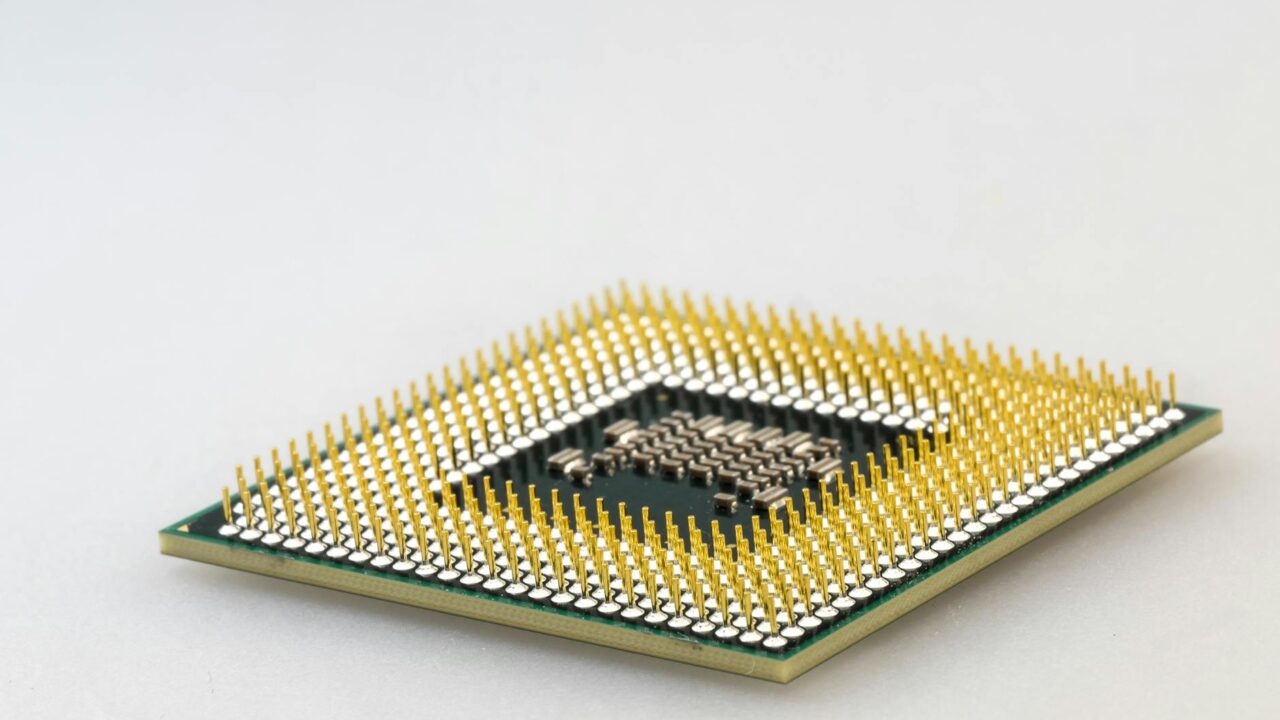
Google Cloud unveiled two new TPU chips designed to compete directly with Nvidia’s data centre dominance. The new Tensor Processing Units, announced at Google Cloud Next, are pitched as faster and cheaper than the previous generation. Google says customers will be able to train and serve large models without paying the full Nvidia premium. Even so, the company is not removing Nvidia from its own cloud. Both sets of chips will run side by side for now.
That is a practical concession. Most enterprise AI code is still written against Nvidia’s CUDA stack, and switching costs are real. For consumers and small businesses, cheaper silicon tends to trickle down. If Google reduces the cost of running models, you should see it eventually in the prices of Gemini tools, document search, and any SaaS product that rents compute from Google Cloud. Do not expect overnight changes. These things move on quarterly procurement cycles, not weekend deploys. Source: TechCrunch.
Cursor halted a $2 billion fundraise after SpaceX tabled a $10 billion collaboration fee and a path to a $60 billion acquisition. The code editor, a favourite of developers over the past two years, was on track to close a venture round this week. Then Elon Musk’s rocket company made an offer big enough to force Cursor’s leadership to stop and think. If the deal proceeds, it would pull one of the most popular developer tools into the orbit of a company better known for reusable rockets and satellite internet than software.
The implications cut two ways. Developers using Cursor will want to know whether pricing, model routing, and data handling stay the same or drift under new ownership. Competitors like Windsurf, Claude Code, and GitHub Copilot suddenly look a lot more attractive to anyone uncomfortable with the deal. Watch for more detail in the next week. Source: TechCrunch.
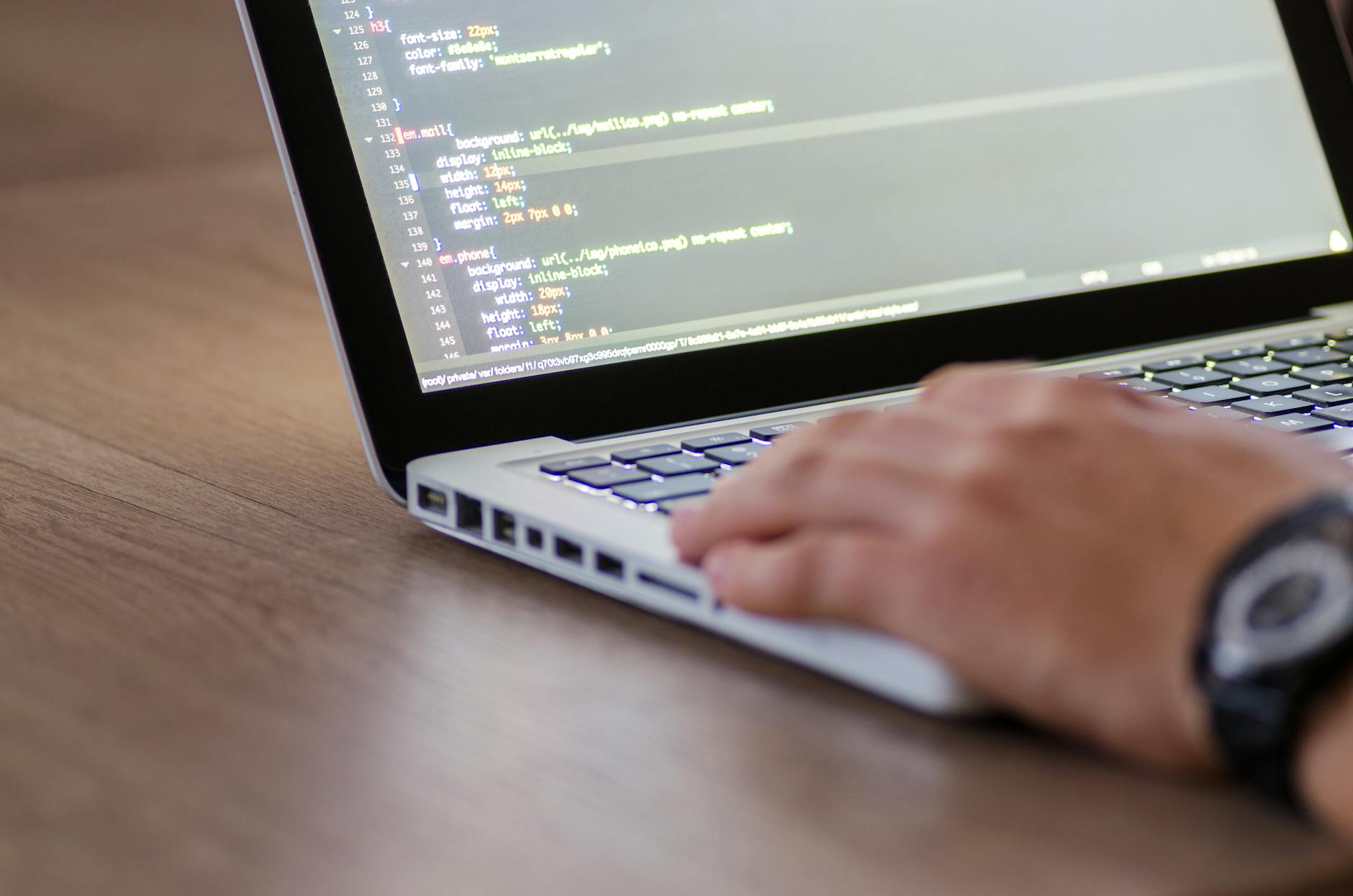
Google Workspace has been reworked into what Google is calling an AI office intern. The update, rolled out across Docs, Sheets, Gmail, and Calendar, uses Workspace Intelligence to handle the busywork most people dread. That includes drafting follow-up emails, tidying up spreadsheets, summarising long threads, and chaining actions across apps without being asked each time. The features are going live for paying Workspace customers over the coming weeks.
This is the update that matters most today for consumers and small businesses. If you pay for Workspace, you will notice it within a month, and you will likely stop copying and pasting between Docs and Gmail for routine admin. The caveats are the usual ones. Check your admin settings, confirm what data is used for which features, and do not let automation send anything client-facing without a human reading it first. Source: TechCrunch.
Google also announced its first data centre in Austria, in the town of Kronstorf near the Alps. The facility will create around 100 direct jobs and is part of the wider infrastructure push that has seen Google commit to new European sites over the past year. Google framed the project as an extension of its long-standing presence in Austria and as investment in local AI capacity.
The Austrian site matters because it is one more step in the slow redistribution of AI compute away from the United States. For UK and European customers, more regional capacity generally means lower latency, easier data residency conversations, and a bit more resilience if transatlantic network capacity gets tight. It also gives procurement teams a stronger hand when negotiating on where workloads actually run. Source: Google.
Delve, a compliance specialist, was named as the certifier behind a security incident at Context AI. TechCrunch has confirmed that Delve performed the security certifications for Context AI, the AI agent training startup that disclosed a breach last week. This is the second Delve-linked incident in recent memory, and it raises familiar questions about the depth of AI industry compliance audits.
If you run an AI-adjacent business and use a third party to sign off on your security posture, this is a good moment to ask how those audits actually work. Certifications are a starting point, not a substitute for internal controls. The AI sector is particularly prone to moving faster than its own paper trail, and the gap between what a compliance logo implies and what is actually tested can be uncomfortable when an incident hits. Source: TechCrunch.
Worth Watching
Best for: AI-assisted coding in a familiar IDE.
At the centre of today’s biggest deal talks. Worth a look whether you use it or just want to track where developer tooling is heading.
Best for: Automating everyday office admin.
Rolling out to paying Workspace customers now. Check your admin settings before it arrives in your account.
Best for: Creators running newsletters and paid content.
New webinar and paywall features launched today. Useful if you are already using the platform or evaluating one.
Here is everything else worth knowing from today’s AI news.
- X rolls out AI-powered custom feeds. Grok-curated timelines replace Communities, with new ad slots baked in. Source
- Beehiiv adds webinars and customisable paywalls. Another step away from being only a newsletter platform. Source
- Tesla lifts 2026 capex to $25 billion. Roughly triple its historical average, with the CFO warning of negative free cash flow for the rest of the year. Source
- AI galaxy hunters are adding to the global GPU crunch. Astronomers are now big buyers of the same hardware the model labs want. Source
- India’s app market is booming but global platforms take most of the gains. Streaming and AI apps are driving growth while local developers struggle to monetise. Source
- Ars Technica publishes its newsroom AI policy. A useful reference for any publisher working out where to draw the line. Source
- Developers flag “over-editing” as a growing model failure. A technical read on models modifying code beyond what was asked. Source
- A website streamed live directly from a model. Early experiment in fully generated web pages served in real time. Source
This is a daily news update for informational purposes only. AI products and policies change rapidly. Verify details directly with providers before making decisions. Nothing here is financial or legal advice.
AI Daily is Cristoniq’s afternoon update on developments in artificial intelligence, published every weekday afternoon.