High yielding shares and income investing: a UK guide
A plain English guide to high yielding shares, dividend income, yield traps, ex-dividend dates and UK tax wrappers.
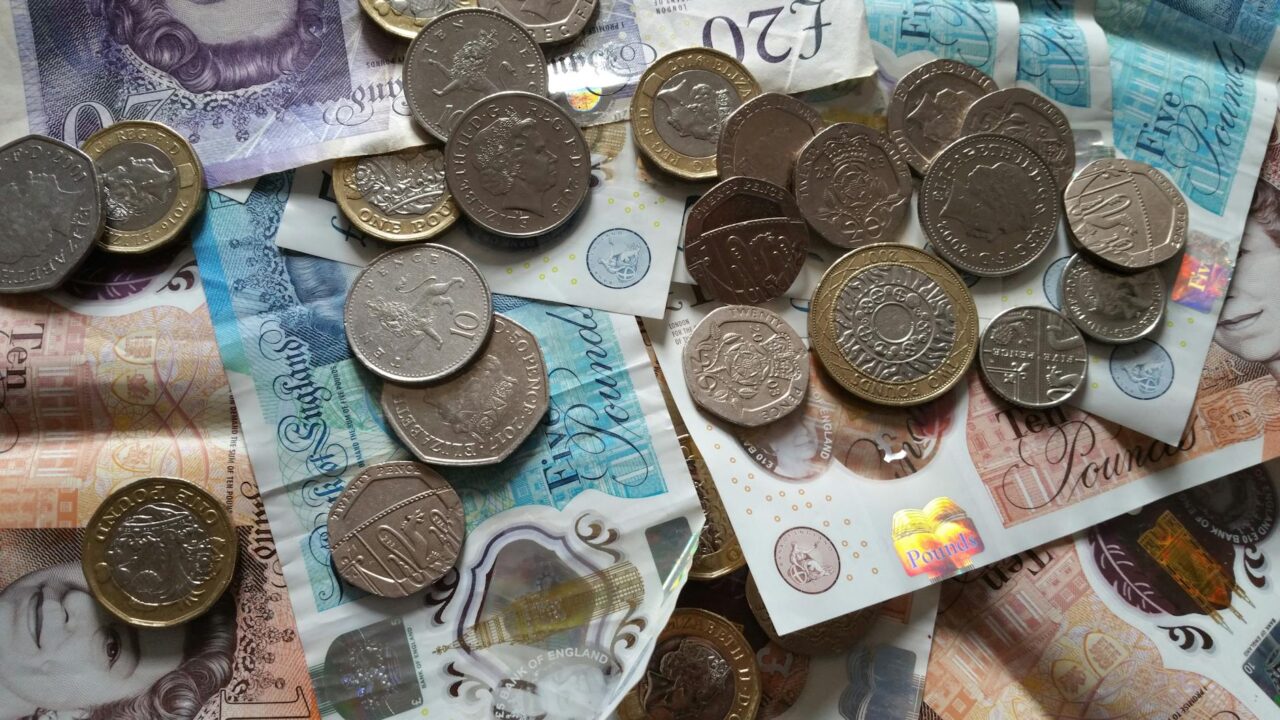
High yielding shares can look like the easy route to investment income. The danger is that a high yield can mean a generous company, or a market warning that the dividend may not last.
The Short Version
- High yielding shares pay larger dividends relative to their share price.
- A high yield is useful only when profits and cash can support it.
- Falling share prices can make a weak dividend look attractive.
- Ex-dividend dates decide who receives the next payment.
- UK tax wrappers can change what income investors keep.
How high yielding shares pay income
High yielding shares are ordinary shares with dividend yields above the wider market average. The yield compares the annual dividend with the current share price.
If a company pays 20p a year and the share price is 400p, the yield is 5 percent. That number helps income investors compare shares quickly.
The dividend is not interest. A board can raise, hold, cut or cancel it when conditions change.
That is why our guide to what a dividend is is the starting point. A dividend is a choice, not a promise.
Mature firms often pay more because they have fewer growth projects. Younger firms may keep cash inside the business instead.
Why yield can be misleading
High yielding shares sometimes look attractive because the share price has already fallen. The dividend may not have changed yet, so the yield jumps.
That can be a warning. The market may expect profits to fall, debt to rise, or a dividend cut to arrive.
A 9 percent yield is not automatically better than a 4 percent yield. It may simply carry more risk.
Look at the reason for the high yield before you look at the size of the payment. Price, profit and cash all matter.
Also compare the yield with the company’s own history. A sudden move far above normal deserves a second look.
Dividend cover and cash flow
High yielding shares need enough profit and cash to fund the dividend. Dividend cover is one simple check.
Dividend cover compares earnings per share with dividends per share. Cover of two times means earnings are twice the dividend.
That is useful, but cash flow matters too. A company can report accounting profit while cash is tight.
The payout ratio is another useful measure. It shows how much of earnings are being handed to shareholders.
A very high payout ratio leaves less room for mistakes. One weak year can then force a difficult choice.
Dividend history matters as well. A decade of payments does not guarantee the next one, but it shows how management has behaved before.
Some sectors can support higher payout ratios than others. Utilities, insurers and banks do not all behave the same way.
Our guide to reading a profit and loss statement explains why profit is only one part of the picture.
Check whether operating cash flow regularly covers the dividend. If it does not, the company may be borrowing to pay shareholders.
Debt is not always bad. It becomes a problem when debt supports payouts that the business cannot afford.
The ex-dividend date matters
The ex-dividend date is the cut-off point for the next payment. Buy on or after that date, and you normally miss that dividend.
This is why buying just before a dividend is not free money. The share price often adjusts when the share goes ex-dividend.
Our explainer on ex-dividend dates covers the mechanics in more detail.
High yielding shares can attract buyers before payment dates. That does not remove the underlying business risk.
Income investing works best when the whole company makes sense. A calendar date is not enough.
Tax and account wrappers in the UK
UK investors also need to think about tax. Dividend income outside a tax wrapper may be taxable above the dividend allowance.
HMRC explains the current rules on tax on dividends. The allowance and rates can change, so check the latest position.
An ISA can protect dividend income from UK income tax. A SIPP can also shelter income, although pension access rules are different.
High yielding shares in an ISA may feel cleaner because payments can stay inside the account. That does not make the shares less risky.
Tax treatment should support an investment plan. It should not be the main reason for owning a weak company.
How to compare income shares
High yielding shares should be compared across yield, cover, debt, cash flow and dividend record. One number cannot do the job.
A lower yield backed by steady cash may be better than a high yield funded from a shrinking business.
Look for plain explanations in annual reports. Management should say how the dividend fits capital spending, debt and future plans.
The London Stock Exchange has a useful overview of share price and market data. Use market data as a starting point, not a decision.
Also notice share buybacks. Our post on why companies buy their own shares explains the other major way firms return cash.
Some companies balance dividends and buybacks well. Others use them to distract from weak growth.
A Worked Example
Imagine two companies both yield 6 percent. The first has steady profits, modest debt and cash flow that covers the dividend.
The second holds high yielding shares status because its price has halved. Its profits are falling, and debt costs are rising.
The headline yield is the same, but the risk is not. The first dividend may be planned, while the second may be under pressure.
Now add the ex-dividend date. Buying the second company before the cut-off may secure one payment, but it does not fix the business.
This is the income trap. A large payment can draw attention away from the capital loss that may follow.
What This Means For You
Treat high yielding shares as a starting point for questions, not as a shopping list. Ask why the yield is high.
Check whether profit, cash flow and debt support the payout. Then check whether the business still has room to invest.
A dividend cut is not always a disaster. Sometimes it protects the company. The problem is owning the share only for a payout that cannot last.
Quality matters here as much as income. Our guide to quality investing explains why durable businesses often matter more than headline cheapness.
This article is for general financial education only. It is not financial advice or personal investment advice. Investments can fall as well as rise, and you may get back less than you invest.
In Plain English
High yielding shares can be useful for income investors, but the yield is only the front door. You still need to inspect the house.
A good income share can pay steadily from real cash. A weak one can tempt you with income while the share price does the damage.
The best question is simple: can this company keep paying without harming itself? If the answer is unclear, the yield is not enough.