Big Bang stock market changed the City, not ownership

The Big Bang stock market reforms made London faster, richer, and more global. They did not turn Britain into a nation of lasting share owners.
The Short Version
- Big Bang was the 1986 deregulation of the London Stock Exchange.
- It ended fixed commissions, changed broker rules, opened the City to larger banks, and pushed trading onto screens.
- It helped London become a stronger global financial centre.
- It did not create the share owning democracy that politicians promised.
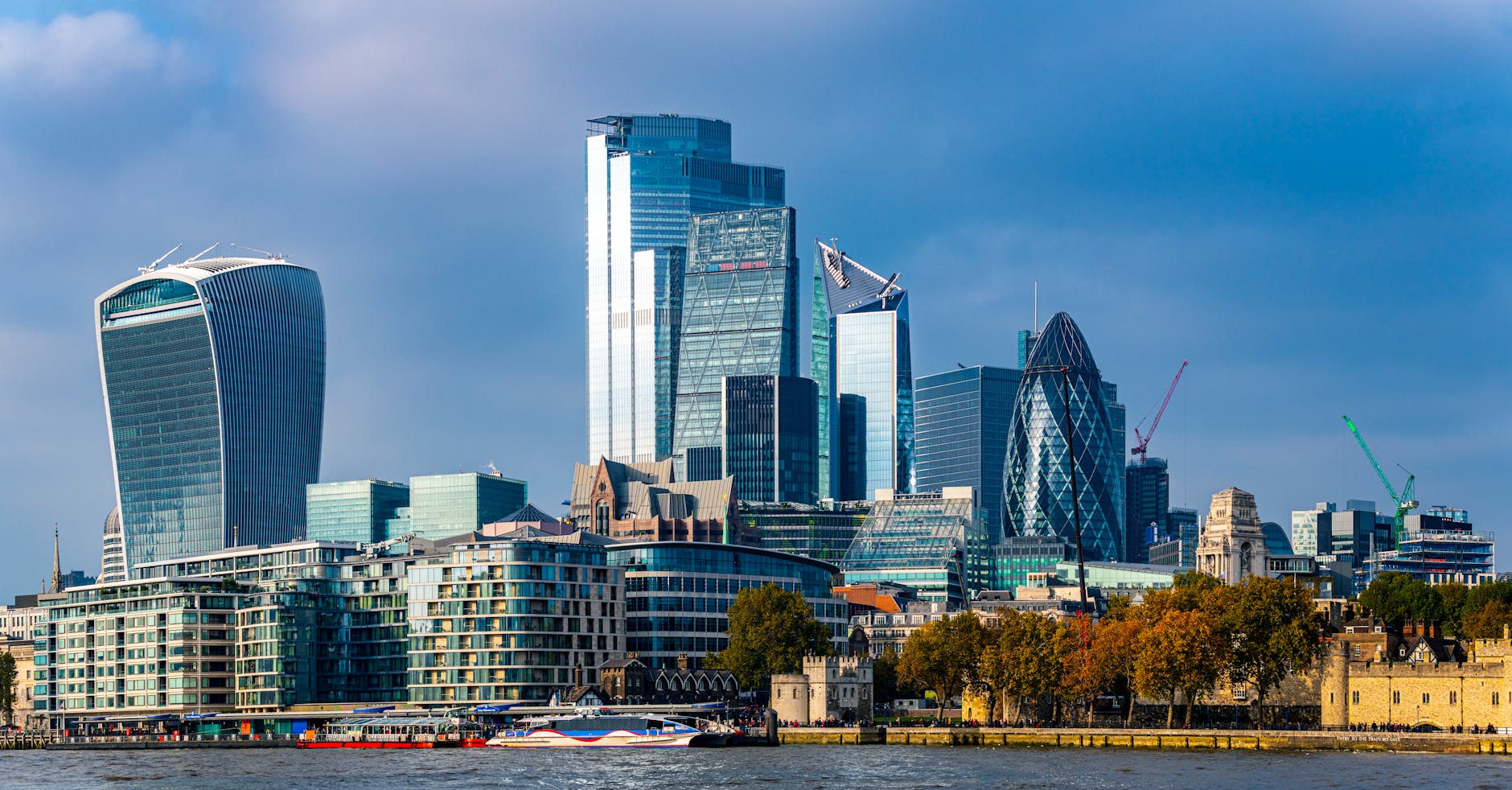
What the Big Bang stock market reforms changed
The Big Bang stock market reforms took effect on 27 October 1986. In one day, the old London Stock Exchange changed its basic rules.
Fixed commissions ended, so firms could compete on price. The old split between brokers and jobbers also disappeared.
Brokers acted for clients. Jobbers bought and sold shares on their own account. After Big Bang, larger firms could combine both roles.
Foreign and domestic banks could also buy member firms. Many old British names were bought, merged, or pushed aside within a few years.
The London Stock Exchange describes Big Bang as the moment computerised trading replaced the old pit-style trading floor. That shift changed the City for good.
Why the old City could not survive
The old City had rules that made sense in a smaller market. They looked weaker once global finance started moving faster.
Wall Street firms had more capital, more technology, and more appetite for large deals. London risked losing business if it stayed closed.
That is why Big Bang was not only a political project. It was also a market response to pressure that had been building for years.
HMRC’s own background note says banks and other financial institutions were able to join the exchange and run broking firms after the reforms.
In plain English, the City stopped being a club of small specialist firms. It became a bigger, faster, bank-led market.
That made the Big Bang stock market story more complicated than a simple tale of progress. It created winners, but it also changed who held power.
Why share ownership did not spread
Politicians sold Big Bang alongside privatisation. The message was simple: ordinary people could own a piece of British business.
British Gas, British Telecom, and other flotations brought millions of first-time shareholders into the market. Many bought one privatised company and stopped there.
Some sold quickly and took a profit. Others held a small position but did not build a wider portfolio.
The Big Bang stock market reforms made trading easier for institutions. They did much less to make long-term investing feel normal for households.
There were still barriers. Advice was expensive, platforms were clunky, charges were high, and many people saw shares as something for experts.
The Office for National Statistics later showed how far direct ownership had fallen. In its 2020 share ownership bulletin, individuals held 12 percent of UK quoted shares by value.
How Big Bang changed the culture of finance
The Big Bang stock market reforms changed more than systems. They changed the incentives inside the City.
Pay rose. Bonuses became more important. International banks brought a more aggressive style of deal making and trading.
Some of that helped London. The City became better at raising money, trading large positions, and serving global clients.
Some of it created problems. Faster markets can hide risk as well as spread opportunity.
The later financial crisis had many causes. But it is hard to understand the path to 2008 without understanding the long City boom after 1986.
This is the same practical lesson behind our guide to why share prices go up and down. Market structure shapes what investors see.
What private investors got instead
Private investors did not get a full ownership culture in 1986. They got a market that worked better for large players first.
That sounds harsh, but it explains the record. The City became more efficient, while many households still kept investing at arm’s length.
The more useful shift came later. ISAs, cheaper funds, online brokers, and workplace pensions made investing easier to access.
Even then, access is not the same as confidence. A person can open an account and still feel unsure about what they own.
That is why the Big Bang stock market lesson still matters. A better market does not automatically create better investors.
For the later version of the same promise, read our guide to using an ISA properly.
A Worked Example
Imagine two savers in 1986. One buys British Gas shares during privatisation. The other joins a workplace pension with broad equity exposure.
The first saver feels like a shareholder. They receive a certificate, watch the price, and may sell once the early gain appears.
The second saver may never pick a single share. Yet their pension may own hundreds of companies through funds over many years.
The first example is visible ownership. The second is economic exposure.
The Big Bang stock market promise focused on visible ownership. Modern investing has moved much more towards pooled, passive, and pension-based exposure.
That shift can feel less satisfying, because a fund does not look like a share certificate. But it can be more useful for many savers.
A broad fund spreads money across many companies. It reduces the risk of one bad company damaging the whole plan.
The Big Bang stock market story therefore leaves a useful warning. Ownership is not only about access. It is also about diversification, cost, time, and behaviour.
What This Means For You
The lesson is not that Big Bang failed. It is that market access and investor confidence are different things.
A cheaper dealing account helps. A clearer tax wrapper helps. A broad fund helps. But none of that replaces understanding.
If you invest today, focus on what you own, what it costs, and why it fits your plan. Do not confuse market noise with ownership.
The City became much better at moving money after 1986. Your job is to make sure your own money is not just being moved around.
That means checking charges, reading fund factsheets, and using regulated firms. The Big Bang stock market made trading faster, but patience still does the useful work.
It also means treating history as a warning. A reform can make a market more efficient while still leaving ordinary people unsure how to use it properly today.
In Plain English
The Big Bang stock market reforms modernised the City. They made London faster, more open, and more powerful.
They did not make ordinary people confident long-term shareholders. That took cheaper platforms, better tax wrappers, and a much slower change in habits.
The poster promised a share owning democracy. The plumbing arrived first. The culture is still catching up.
This article is for informational purposes only and does not constitute financial advice. Investment values can go down as well as up. Always do your own research before making any financial decisions.
This post is adapted from The Street Smart Trader. Used with permission.